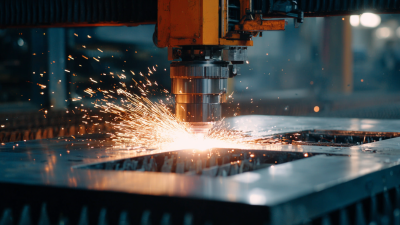
Man, the world of manufacturing is changing so fast these days. One area really shaking things up is the Laser Cutting and Engraving Machine scene. Innovations are coming at a rapid pace, completely transforming how companies operate—making things more efficient and precise than ever before. Brands like Epilog Laser and Trotec are definitely leading the charge here.
Thanks to new tech, we're able to craft way more detailed designs and get things done quicker. But, honestly, it’s not all sunshine and rainbows. Some of these machines can be a bit of a headache—they might need a lot of maintenance, which means more downtime. Plus, for newcomers, there’s often a pretty steep learning curve, which can slow down productivity at first. It’s really important to understand these quirks if you want to stay ahead with the latest trends.
As we dig into the top laser cutting and engraving trends for 2026, I’ll be pointing out both the cool new innovations and some of the common pitfalls to watch out for. We’ll cover everything from new techniques and material integrations to the importance of proper training for operators. The future looks pretty bright, but yeah, there are still some challenges for those working in this industry. It’s definitely an exciting time, with plenty of opportunities—but you gotta be prepared for the bumps along the way.
Emerging technologies in laser cutting and engraving machines are shaping the future of manufacturing. One notable trend is the integration of AI-driven systems. These smart machines can analyze data in real time, improving precision and efficiency. They can predict maintenance needs, reducing downtime and costs. The result is a smoother workflow in production environments.
Another significant innovation is the advancement of fiber laser technology. These lasers utilize solid-state sources to generate high-intensity beams. They offer greater efficiency and maintenance benefits compared to traditional CO2 lasers. This shift has made laser cutting more accessible for varied materials. As industries seek to minimize waste, fiber lasers are a practical choice.
As these technologies evolve, challenges remain. Many operators must adapt to new systems and workflows. Training is crucial but often underappreciated. Ensuring that staff are skilled can make a massive difference in operational success. Equipment compatibility also raises questions. Balancing innovation with practical implementation requires careful planning and thoughtful investments.
In 2026, the laser cutting industry is witnessing significant advancements. New technologies are being developed to enhance precision and efficiency. These innovations are not only improving the quality of cuts but also streamlining production processes. For instance, the integration of AI algorithms helps optimize cutting paths, saving both time and materials. Users can expect finer details in intricate designs that were previously challenging to achieve.
Another notable trend is the rise of sustainability in laser cutting applications. More manufacturers are focusing on eco-friendly materials and energy-efficient machines. The shift towards using recyclable materials reflects an industry commitment to environmental responsibility. However, achieving sustainability can be challenging. While new machines may reduce waste, the initial costs can be a barrier for some businesses. This raises questions about the balance between innovation and accessibility.
Moreover, the use of cloud computing and IoT is transforming how businesses operate. Remote monitoring and data analysis allow for predictive maintenance. This minimizes downtime and enhances productivity. Yet, reliance on technology can also create vulnerabilities. Cybersecurity becomes a critical concern as more devices connect to the internet. Addressing these challenges will be essential for the future of laser cutting.
Automation is transforming laser engraving solutions in profound ways. Increased efficiency is a key benefit. Reports indicate that automated systems can boost productivity by up to 40%. This acceleration is crucial for industries with tight deadlines and high-volume demands.
However, the integration of automation isn't without challenges. Many small and medium enterprises struggle to adopt these technologies. The initial investment can be significant, leading to hesitation. Moreover, not all automated systems integrate seamlessly with existing setups. This can cause disruption rather than improvement.
Furthermore, while automation enhances precision, it can also lead to reduced human oversight. A recent industry survey noted that 25% of companies experienced quality control issues after implementing automation. This raises questions about maintaining craftsmanship in engraving. Balancing automation with skilled labor remains essential for optimal results. In an ever-evolving landscape, continuous adaptation and evaluation are necessary.
Sustainable practices in laser cutting and engraving are gaining attention. These technologies can minimize waste and reduce energy consumption. Adjusting the laser settings can significantly lower energy use. Using materials that are recyclable or biodegradable is essential. This shift not only helps the environment but can also attract eco-conscious consumers.
Tips for sustainability: Choose materials wisely. Some materials are easier to recycle than others. Try to optimize designs to reduce offcuts. A well-planned layout can save both materials and time. Be mindful of energy sources too. Utilizing renewable energy can make a significant difference in overall sustainability.
Even with these practices, there are challenges. Some laser processes create fumes that can be harmful. Ventilation is important, yet it can be overlooked. Regular maintenance of equipment is often neglected, which affects efficiency. Staying informed about new technologies can help improve sustainability efforts. Adapting to these changes can be a trial and error process, but it’s worth the effort.
User-friendly interfaces in laser cutting and engraving machines are becoming essential. Reports indicate that 70% of users struggle with complex controls. This results in inefficiencies. A streamlined interface can reduce learning curves. In a fast-paced industry, time savings are crucial.
Modern designs incorporate intuitive touchscreens. These allow users to navigate effortlessly. Quick access to settings makes adjustments simpler. Data suggests that businesses adopting user-friendly designs report a 30% increase in productivity. However, not all machines achieve this. Some lack adequate feedback mechanisms. This can lead to user frustration. Error messages often confuse rather than assist.
Accessibility also extends to software. Simple software enhances workflow. Yet, some systems complicate tasks unnecessarily. A survey revealed that 40% of operators find current software limiting. Another challenge is continuous training. With evolving technology, familiarization can be daunting. Many users express the need for better training resources. Reducing barriers is vital for the industry's growth. Simplifying interfaces can help realize this vision.
The landscape of laser cutting and engraving machines is rapidly evolving, particularly in material compatibility. Recent data indicates that up to 85% of manufacturers are now focusing on diverse materials. This shift is driven by the need for versatility in production. Laser applications now extend beyond metals to plastics, wood, glass, and textiles.
Innovations in laser technologies have made it possible for machines to cut and engrave these varied materials with precision. For instance, advancements in pulse laser technology allow for finer detailing. A significant challenge remains in optimizing settings for different materials. Improper settings can lead to poor finishes, or worse, material damage.
Emerging trends reveal a growing interest in eco-friendly materials as well. Industries are exploring biodegradable and recyclable options. However, not all lasers can effectively work with these sustainable materials. There’s room for improvement in ensuring these lasers adapt without compromising quality. As versatility becomes crucial, the need for further research and development is clear. The industry must keep evolving to meet these demands effectively.
The landscape of smart manufacturing is rapidly changing. Laser cutting and engraving technologies are at the forefront of these changes. They offer precision and efficiency that conventional methods struggle to match. Manufacturers now leverage AI algorithms to optimize these processes. This integration leads to faster output and reduced material waste. The ability to customize designs in real-time is improving product quality.
Tips: Keep an eye on emerging technologies in this domain. Adopting tools that integrate with laser systems can enhance productivity. Automation will continue to be a key player.
Moreover, the push for sustainability is influencing trends. Eco-friendly materials are gaining traction in laser cutting applications. Yet, some still find it challenging to transition. The initial investment can be daunting. There’s a fine balance between innovation and practicality. This reflection is crucial for long-term success.
Tips: Consider gradual integration of new technologies. Start with small projects to gauge efficiency. Collaboration with tech experts can provide insights.
: You can publish articles, videos, and images. Ensure they follow community guidelines.
Yes, avoid illegal and sensitive subjects. It's best to focus on informative and engaging content.
Respond to comments and ask questions. Consider creating polls or discussion topics for interaction.
Aim for clarity. Articles between 800-1500 words often attract more readers.
Use relevant keywords and hashtags. Share on multiple platforms to reach a wider audience.
Analyze the feedback. Reflect on the points made. Use constructive criticism to improve future content.
Only use licensed or original images. Ensure they complement your text and are of high quality.
Consistency is key. Aim for a regular schedule, but quality should not be sacrificed for quantity.
Yes, collaborations can enrich your content. Choose partners whose audience aligns with yours for better reach.
Take breaks to refresh. Explore trending topics. Consider audience feedback for new content sparks.
The article titled "Top 2026 Laser Cutting Engraving Machine Trends and Innovations" explores the cutting-edge advancements in the laser cutting and engraving industry. It discusses emerging technologies that are transforming operational efficiency and accuracy, emphasizing the critical role of automation in modern laser engraving solutions. Additionally, sustainable practices are highlighted, showcasing how eco-friendly techniques are being integrated into laser cutting processes.
Furthermore, the article outlines the significance of user-friendly interfaces, which enhance accessibility for operators, and advancements in material compatibility that broaden the applications of laser cutting engraving machines. Lastly, it delves into future trends, particularly the integration of these machines within smart manufacturing frameworks, paving the way for increased productivity and innovation in the field.
Contact us
Send Inquiry:
Ready to learn more
There is nothing better than seeing the end result.
Click for inquiry