0%

Using laser cleaner machines in industrial settings has really changed the game when it comes to cleaning. I read in a report from MarketsandMarkets that the laser cleaning market might hit about $1.1 billion by 2025, thanks to ongoing tech improvements and more industries jumping on board. These machines are pretty awesome—they offer spot-on precision and create very little waste, which is a big plus.

Dr. John Stevens, who’s pretty much a star in laser tech circles, stresses how important efficiency is in this field. He mentions that laser cleaner machines don’t just save time—they actually boost the overall quality of maintenance work in factories. That kind of insight just shows how laser cleaning is becoming a go-to tool across different sectors, like automotive and aerospace.

That said, it’s not all sunshine and rainbows. While these machines are super effective, there’s definitely a cost side to consider. The initial investment can be steep, and keeping them in tip-top shape isn’t cheap either. Plus, operators need proper training to really get the most out of them. So, weighing the costs against the benefits is crucial—careful planning and strategy are key if companies want to make the most of this tech without overspending.

Top Laser Cleaner Machine Benefits for Industrial Use?

Top Laser Cleaner Machine Benefits for Industrial Use

Laser cleaning technology has gained momentum in industries due to its numerous benefits. One standout advantage is its efficiency. According to a report from a renowned manufacturing body, laser cleaners can reduce cleaning time by up to 80% compared to traditional methods. This not only enhances productivity but also minimizes downtime. Industries such as automotive and aerospace are already embracing this technology, showcasing its rapid deployment.

Moreover, laser cleaning is environmentally friendly. Unlike chemical cleaners, lasers eliminate the need for solvents, reducing harmful waste. Reports indicate that switching to laser cleaning systems can decrease hazardous waste generation by over 50%. This shift reflects a growing commitment to sustainability in industrial practices, resonating with both regulatory requirements and public demand for greener solutions.

One area that requires further exploration is operator safety. While laser cleaning systems are generally safe, operators must be trained to handle them properly. Mistakes can lead to accidents or equipment damage. Industries must invest in training programs to ensure best practices are followed. Balancing efficiency with safety remains a topic for ongoing discussion.

Understanding the Working Principles of Laser Cleaning Technology

Top Laser Cleaner Machine Benefits for Industrial Use?

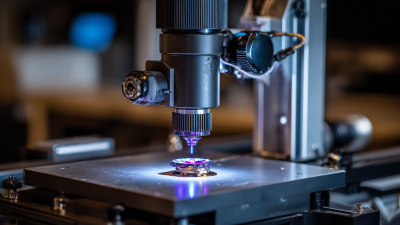
Laser cleaning technology operates on the principle of light absorption and thermal energy. High-intensity laser beams target contaminants on surfaces. These beams generate heat, causing unwanted materials to evaporate or be blown away. This method is efficient and reduces the need for harsh chemicals.

Industrial applications benefit significantly from this process. It can remove rust, paint, and grime from various materials without damaging the underlying surface. The precision of laser cleaning allows for meticulous work on delicate components. However, operators must receive proper training to harness its full potential safely.

The technology shows promise in improving sustainability. By minimizing chemical usage, it supports environmentally responsible practices. Yet, the initial cost of equipment can be daunting for smaller businesses. This factor leads to some hesitation in adopting laser cleaning solutions. Industry leaders must weigh these challenges against the long-term benefits for their operations.

Efficiency Metrics: Comparing Laser Cleaning to Traditional Methods

Laser cleaning technology is transforming industrial applications with its efficiency. When comparing it to traditional methods, the differences are striking. Traditional cleaning often relies on abrasive materials or chemicals. These can be time-consuming and costly. On the other hand, laser cleaning offers a faster, non-contact method that reduces wear on surfaces.

Efficiency metrics show laser cleaning's advantages. For instance, it can remove contaminants in seconds, whereas abrasives might take hours. The precision of lasers means less rework. There's also a significant reduction in waste since no cleaning agents are used. This makes laser technology not only effective but also environmentally friendly.

However, it’s essential to consider specific contexts. Not all surfaces respond well to laser cleaning. Material sensitivity is a factor. Some operators may need training to handle the technology accurately. Over-reliance on laser methods without proper assessment can lead to unintended damages. A balance between traditional and innovative practices remains vital for optimal results.

Environmental Advantages of Using Laser Cleaners in Industry

Laser cleaning technology has emerged as a transformative solution in industrial applications. One of its key environmental advantages lies in its minimal waste generation. Traditional methods often rely on harsh chemicals that can produce toxic residues. In contrast, laser cleaners require no chemicals, significantly reducing environmental contamination. According to a recent industry report, the growth in laser cleaning technology could lead to a 30% decrease in hazardous waste from industrial cleaning processes.

Furthermore, laser cleaning is highly efficient. It consumes less energy compared to conventional cleaning methods. This efficiency results in lower carbon emissions, making it a greener alternative. A case study revealed that facilities adopting laser cleaning saw a reduction in their energy consumption by up to 50%.

Tips: When integrating laser cleaners, consider conducting a waste audit. Understanding your current waste management can highlight potential benefits. Also, invest in staff training to ensure optimal use of laser cleaning technology. This can improve both safety and efficiency in operations. Always evaluate your current practices to identify areas needing improvement.

Cost Analysis: Long-term Savings with Laser Cleaning Solutions

Laser cleaning machines have gained traction in various industrial sectors due to their effectiveness and economic advantages. A recent study showed that transitioning to laser cleaning can reduce operational costs by up to 50% compared to traditional methods. This technology minimizes the need for chemical solvents, which can be expensive and harmful to the environment.

Long-term savings are not the only benefit. Laser cleaning solutions require less maintenance. This leads to reduced downtime and increased productivity. Data indicates that companies using laser technology can enhance their operational efficiency by about 30%. Moreover, these machines often have a longer lifespan than traditional cleaning systems, further justifying the upfront investment.

However, some industries are still hesitant. Transitioning to laser cleaning requires initial training and adjustment periods. Understanding the technology takes time. Nonetheless, the overall cost-effectiveness and reduction in harmful waste present compelling reasons to consider this approach. Many businesses are finding that the initial challenges are outweighed by the long-term financial benefits.

Safety and Health Benefits of Laser Cleaning in Industrial Settings

Laser cleaning technology presents numerous safety and health benefits in industrial settings. This method reduces the use of hazardous chemicals, which often create dangerous fumes. Workers are less exposed to harmful substances, making the workplace safer. Additionally, laser cleaning minimizes dust and debris associated with traditional cleaning methods. This leads to a cleaner environment, promoting better air quality and reducing respiratory issues among employees.

The precision of laser cleaning means that it targets only the materials that need removal. This reduces the risk of accidents and injuries related to equipment damage or contamination. Employers can implement effective training to help staff understand the potential hazards of working with laser technology. It’s essential to maintain safety equipment, such as goggles and gloves, during operation to protect workers. Regular safety audits can also enhance proactive compliance and identify areas needing improvement.

One tip for enhancing workplace safety is to implement a clear protocol for laser cleaning operations. Ensure that all workers are trained in the safe use of equipment. This training should include the identification of laser hazards and appropriate response strategies. Creating an open dialogue about safety concerns can empower workers to voice issues that may arise. An inclusive safety culture encourages ongoing improvement in health standards and promotes a more responsible working environment.

Top Laser Cleaner Machine Benefits for Industrial Use

Benefit Description Impact on Safety Impact on Health
Precision Cleaning Laser cleaning allows for targeted removal of contaminants without damaging the substrate. Reduces risk of accidents due to better visibility on surfaces. Minimizes exposure to toxic chemicals used in traditional cleaning methods.
Environmentally Friendly No need for harsh chemicals, making it safer for the environment. Reduces the risk of chemical spills and related accidents. Lower chance of health issues from chemical exposure for workers.
Cost Efficiency Long-term savings on cleaning supplies and labor. Less downtime results in safer operational environments. Allows for quicker cleaning, reducing worker fatigue.
Versatility Effective on various surfaces, including metal, plastic, and concrete. Minimizes the need for multiple cleaning methods, ensuring safety. Promotes a healthier workspace by maintaining clean surfaces across equipment.
Reduced Waste Laser cleaning produces minimal waste compared to traditional methods. Decreases potential hazards associated with waste disposal. Healthier environment with less waste disposal concerns.

Case Studies: Successful Applications of Laser Cleaning Across Industries

Laser cleaning technology is increasingly applied across various industries, showcasing impressive results. A study from the International Journal of Advanced Manufacturing Technology highlighted a 50% reduction in maintenance time using laser cleaning for heavy machinery. In the automotive sector, companies reported a significant decrease in labor costs, as laser cleaning requires fewer man-hours compared to traditional methods.

In the oil and gas industry, laser cleaning proved its effectiveness in removing rust and old coatings. A case study demonstrated that this method extended the lifecycle of equipment by 30%. This approach not only enhances safety measures but also helps in compliance with environmental standards. Transparency International noted that laser cleaning generates less waste, minimizing the environmental footprint.

Tips: Always assess the specific cleaning needs before investing in laser technology. Consultation with industry experts can provide valuable insights tailored to your operations. Regular maintenance schedules can optimize the efficiency of laser cleaning systems. Embracing such innovations demands a willingness to adapt and reflect on existing methodologies.

FAQS

: What are the environmental benefits of laser cleaning technology?

: Laser cleaning generates minimal waste and reduces hazardous waste by up to 30%. It requires no chemicals, ensuring less contamination.

How does laser cleaning impact energy consumption?

Laser cleaning is more energy-efficient than traditional methods, reducing energy use by up to 50% in some facilities.

How does laser cleaning improve workplace safety?

It reduces exposure to harmful chemicals and decreases dust and debris, leading to better air quality and fewer respiratory issues.

What precautions should be taken during laser cleaning operations?

Workers should wear safety equipment, such as goggles and gloves. Regular safety audits can identify areas needing improvement.

Can laser cleaning reduce maintenance time?

Yes, studies show laser cleaning can cut maintenance time by 50%, particularly for heavy machinery in various industries.

Why is staff training important for laser cleaning?

Effective training ensures workers understand laser hazards and safe practices, promoting a safer working environment with ongoing improvements.

What should companies consider before implementing laser cleaning?

Assess specific cleaning needs and consult with industry experts. Regular maintenance can enhance the efficiency of the cleaning systems.

How does laser cleaning affect equipment lifecycle?

Laser cleaning can extend equipment lifecycle by around 30% by effectively removing rust and old coatings, promoting safety and compliance.

What is a critical factor for successful laser cleaning adoption?

A willingness to adapt and reflect on existing cleaning methodologies can lead to successful integration of laser cleaning technology.

Conclusion

The article explores the numerous benefits of using a Laser Cleaner Machine in industrial applications. It begins by outlining the fundamental working principles of laser cleaning technology, highlighting its precision and effectiveness in removing contaminants without damaging surfaces. Efficiency metrics are discussed, showing a favorable comparison of laser cleaning to traditional methods, which often require more time and resources.

The environmental advantages of Laser Cleaner Machines are significant, as they produce minimal waste and reduce chemical usage, contributing to greener industrial practices. Additionally, a cost analysis reveals long-term savings associated with adopting laser cleaning solutions. The article also emphasizes the safety and health benefits for workers in industrial settings, noting lower exposure to harmful substances. Finally, various case studies illustrate successful applications of laser cleaning across different industries, showcasing its versatility and effectiveness.

Madeline

Madeline

Madeline is a seasoned marketing professional at Maven Laser Automation Co., Ltd., a leading manufacturer of laser systems and advanced automation solutions based in Shenzhen, China. Since joining the company, which was founded in 2008, she has cultivated an extensive knowledge of laser......
Previous Top 10 Laser Cutting Machines for Global Buyers 2026?