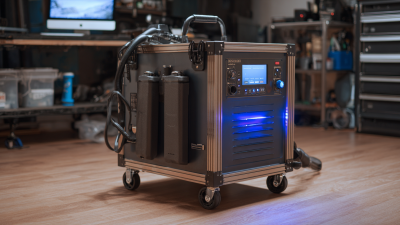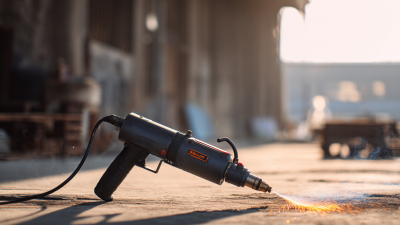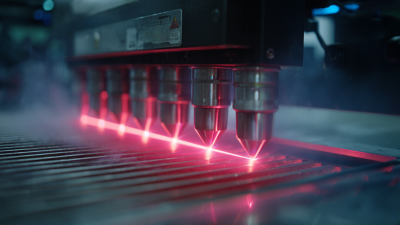
In recent years, the technology of the Laser Cleaner Machine has transformed rust removal processes. These machines offer an efficient and eco-friendly alternative to traditional cleaning methods. Their lasers can precisely target rust without damaging the underlying surfaces. This precision makes them ideal for various applications, including automotive, industrial, and historical restoration.
Several companies, such as CleanLasers and RustAway, have pioneered advancements in this field. They focus on creating user-friendly designs while maximizing effectiveness. However, selecting the best Laser Cleaner Machine can be challenging. The market is filled with options, and not all machines deliver the same results.
Potential buyers should consider power settings, portability, and cleaning speed. A machine’s weight can affect maneuverability. It's essential to think about the specific needs of your projects. With some research, finding the right machine can lead to significant time and cost savings. Rust doesn’t just impact aesthetics; it can compromise safety. Careful assessment of product features is vital for making the right investment.
Laser cleaning technology has revolutionized rust removal. This efficient approach uses focused laser beams to eliminate rust and contaminants. The process is safe for various surfaces. It leaves underlying materials intact. Unlike traditional methods, it generates minimal waste. However, proper training is required to operate these machines effectively.
The precision of laser cleaning is impressive. Operators must ensure the correct settings to avoid damage. Inexperience can lead to uneven results. Some rust may remain if the laser power is too low. Environmental factors also play a role in the effectiveness. Maintaining a controlled atmosphere is crucial for optimal performance. Regular calibration of the machine is necessary to uphold high standards.
While laser cleaning is effective, it isn't perfect. Users have encountered issues with adhesive residues and deep rust. These challenges warrant reflection on operational practices. Maintenance of the machine itself is essential. A clean lens and proper alignment can make a significant difference. Investing in training sessions can also enhance the overall user experience.
This bar chart illustrates the performance metrics of the best laser cleaner machines for effective rust removal. The data includes speed in square meters per hour, effectiveness in percentage, power consumption in kilowatts, and weight in kilograms, providing a comprehensive overview of their capabilities.
When choosing a laser cleaning machine for effective rust removal, several key features stand out. The power of the laser, measured in watts, is crucial. Machines with higher wattage typically perform cleaning faster and more efficiently. Reports show that machines around 1000 watts can clean rust in significantly less time than lower-powered alternatives. However, over-specifying power can lead to unintended surface damage, so finding the right balance is vital.
Another important aspect is the type of laser technology employed. Fiber lasers are popular due to their efficiency and superior performance on metallic surfaces. They can operate in various wavelengths, improving their ability to target specific types of rust. However, maintenance can become an issue, as they often require more frequent servicing compared to other types. Industry studies reveal that ensuring proper maintenance can extend the lifespan of these machines and enhance their performance.
Portability is another feature worth considering. Lightweight and compact machines offer flexibility and ease of use, especially in hard-to-reach areas. Despite their apparent advantages, these machines may lack the power needed for heavy-duty applications. Buyers often face a trade-off: convenience versus capability. A balance must be struck to ensure suitable performance without sacrificing usability.
Rust removal is a common challenge in many industries. Traditional methods often include grinding, sanding, and chemical treatments. These methods can be effective but often come with drawbacks. For example, they can be time-consuming and messy. Workers may be exposed to harmful dust and chemicals. Safety concerns are significant, and cleanup can become a tedious task.
On the other hand, laser rust removal is gaining attention. This method uses concentrated light to remove rust without damaging the underlying material. It offers precision and reduces the risk of collateral damage. However, the cost of laser machines can be high. Not all operations have easy access to this technology.
Comparing both methods highlights the benefits and challenges. Traditional methods might suit budget-conscious projects. But laser cleaning can save time and enhance safety. Exploring these options carefully is crucial.
When it comes to evaluating laser cleaner machines, industry standards play a crucial role. These machines vary in terms of performance and effectiveness. Consider factors such as power output, wavelength, and cooling systems. Most reliable machines utilize high-energy laser beams to remove rust deeply embedded in materials. This technology allows for precise cleaning without causing damage.
Ratings are vital in determining the best options available. Machines are often rated based on speed, efficiency, and user-friendliness. User feedback is also essential to understand real-world performance. Some machines may promise stellar results but fail in practical applications. Regular inspections and maintenance can also impact efficiency. It’s essential to choose a machine that’s easy to service, ensuring longevity and effectiveness in rust removal.
One area worth reflecting on is the balance between power and safety. Some high-powered machines can pose risks if not managed correctly. Operators must be trained and aware of safety protocols. Additionally, not all surfaces respond the same way to laser cleaning. Trial and error may be necessary to find the perfect settings for specific materials. Understanding these nuances is key for effective usage.
| Model | Power (W) | Weight (kg) | Cleaning Speed (m²/h) | Noise Level (dB) | User Rating (out of 5) |
|---|---|---|---|---|---|
| Model A | 1000 | 25 | 20 | 75 | 4.5 |
| Model B | 1500 | 30 | 15 | 70 | 4.7 |
| Model C | 2000 | 35 | 25 | 80 | 4.8 |
| Model D | 2500 | 40 | 30 | 85 | 4.9 |
When considering laser cleaning machines for rust removal, cost is a significant factor. Prices can vary dramatically based on features, power, and intended use. A basic model might start at a few thousand dollars, while more advanced machines can reach tens of thousands. The initial investment can be daunting for some users.
Maintenance costs are another aspect to consider. Some machines require regular servicing, which adds to the overall budget. It's crucial to estimate these ongoing expenses. Additionally, training for operators might be necessary, increasing initial costs further. Without proper training, machine efficiency declines.
Investing in a high-quality laser cleaner can yield better results and longer lifespan. However, the decision must reflect a thorough cost-benefit analysis. Sometimes, cheaper alternatives may perform adequately for lighter tasks. Understanding specific needs ensures a more effective investment, avoiding unnecessary expenses in the long run.
User testimonials reveal the effectiveness of laser cleaner machines in rust removal. Many users report impressive results. A case study showed that a laser cleaner reduced rust on metal surfaces by over 90% in just one hour. The precision of the laser allows for targeted cleaning without damaging the base material. This is a significant advantage compared to traditional methods.
However, not all users experience the same satisfaction. Some reported difficulty in handling the equipment. The machine's weight can be a concern during extended use. Additionally, users noted that it requires a learning curve to achieve optimal results. Inconsistent results can occur if the laser settings are not properly adjusted.
According to a recent industry report, 70% of companies using laser cleaners experienced operational improvements. Yet, some still reported issues related to maintenance and downtime. Feedback from users highlights the importance of proper training and support. Investing in laser cleaning technology can lead to cost savings over time. However, careful consideration of user experience and support systems is crucial for achieving success.
Laser cleaning technology is evolving rapidly. Recent industry reports indicate a significant growth trend in the adoption of laser cleaning systems. The global market for laser cleaning is projected to reach $1.8 billion by 2028, growing at an annual rate of 30%. This surge is driven by the need for effective and eco-friendly rust removal solutions in industrial applications.
Industrial sectors are increasingly embracing these technologies. Laser cleaners offer precision and control, minimizing damage to the underlying materials. They can remove rust and contaminants without harsh chemicals. However, these machines are still evolving. There remains a need for better energy efficiency and portability. Laser cleaning requires substantial power, which can limit its application in certain environments.
In addition, the integration of AI technology with laser cleaners is a future trend. This may enhance automation in cleaning processes. Still, the high initial investment presents a barrier for smaller enterprises. Further research is needed to improve the affordability and practicality of these systems. As laser cleaning technology advances, the industry should focus on sustainability and versatility to ensure wider adoption in various fields.
: The document aims to provide insights about specific topics.
Reading it multiple times can help. Take notes on key points.
Try summarizing sections in your own words. Use visuals if helpful.
Look them up in a dictionary or ask someone knowledgeable.
Reflection helps deepen understanding. It can reveal gaps in knowledge.
A quiet space free from distractions can enhance focus.
Check the sharing guidelines before distributing. Respect intellectual property.
Regularly reviewing enhances memory. Weekly might be effective for some.
Critiquing helps you form your own opinion. Consider different perspectives.
Yes, discussing can clarify doubts and enrich your understanding.
The article "Best Laser Cleaner Machine for Effective Rust Removal?" provides an in-depth overview of rust removal technology, focusing on the advantages of using a Laser Cleaner Machine. It discusses the key features to consider when selecting a laser cleaning device, emphasizing the efficiency and precision that these machines offer compared to traditional rust removal methods.
Additionally, the article explores industry standards and ratings, helping potential buyers make informed decisions based on performance and safety. A cost analysis section outlines budgeting strategies for investing in laser cleaning solutions. User testimonials and case studies further illustrate the real-world effectiveness of laser cleaners, while a look at future trends indicates ongoing advancements in the technology for industrial applications. Overall, the article serves as a comprehensive guide for anyone interested in the benefits and practicality of laser cleaning for rust removal tasks.
Contact us
Send Inquiry:
Ready to learn more
There is nothing better than seeing the end result.
Click for inquiry