Choosing the right fiber laser engraver can honestly feel pretty overwhelming, especially with so many options out there. I remember Mark Thompson from LaserTech Inc. once saying, ‘A good engraver isn’t just about how powerful it is; it’s more about how well it fits your specific needs.’ That really hits home because, let’s be real, understanding what you actually need from your machine is key before making any decisions.
When you’re looking at fiber laser engravers, one of the first things to think about is what materials you'll be working with. Different stuff needs different settings and features. For example, acrylic and metal aren’t exactly the same — they each require different approaches to get the best results. The wattage of the machine is another biggie. A higher wattage usually means faster engraving, but if you’re working on delicate surfaces, it might cause burns or other issues you don’t want. Those little details often go unnoticed until it’s too late, but trust me, they can really make or break your project’s final look.
And honestly, it’s super important to think about your own needs, too. Are you planning to use this a lot — maybe every week? Or just occasionally? Will you be scaling up your projects soon? Taking a moment to reflect on these questions can save you from a lot of headaches down the line. With so many options out there, the best thing you can do is step back and really think about what you need. It’s not just about picking the fanciest machine — it’s about finding the right fit for YOU, and that’s what makes all the difference in the end.
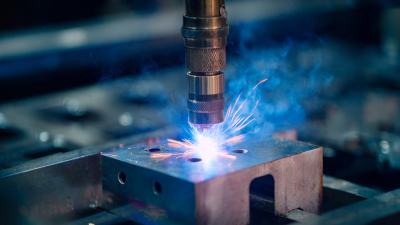
Fiber laser engraving technology utilizes a concentrated beam of light to create precise markings on various materials. This method is popular for its speed and accuracy. It works well with metals, plastics, and wood. The process minimizes thermal damage, which is crucial for maintaining the integrity of the material. Users often prefer it for detailed designs.
Applications of fiber laser engraving are diverse. Industries use it for creating durable labels and permanent markings. Artists can customize items like jewelry or artwork. However, choosing the right machine requires careful consideration. Factors like power, speed, and material compatibility are vital. Yet, many overlook the importance of software integration. In some cases, users struggle to adapt their designs to the machine's capabilities.
The learning curve can be steep. Beginners may find mastering the settings challenging. Adjusting beam focus and speed requires practice. Sometimes, results may not meet expectations. Exploring different settings can lead to better outcomes. Reflection on the trial and error process often enhances understanding. Embrace these challenges to make the most of fiber laser engraving technology.
Choosing the right fiber laser engraver starts with understanding your specific engraving needs. Different projects demand various capabilities. Think about the materials you will work with. Wood, metal, acrylic, and glass all react differently to laser engraving. Some materials may burn or distort. Others might require specific power settings. Knowing these details can greatly influence your choice.
Consider the thickness of the materials. A thicker surface may need more power. But too much power can damage delicate items. It's a balancing act that requires careful thought. Reflect on what you really need. Sometimes, a machine with too many features can complicate simple tasks. You might even find that a basic model fits your needs perfectly.
Also, think about the size of the work area. Will you be engraving small items or larger pieces? A compact machine may be sufficient for small projects. However, larger items will require a bigger workspace. Assessing your specifications may reveal gaps in your current knowledge. Being aware of these can guide you in making a more informed decision. Always keep learning about materials and techniques to enhance your engraving skills.
When evaluating fiber laser engravers, there are several key features to consider. The laser power is crucial. Higher power means faster engraving. However, more power often leads to increased costs. Assess what materials you will work with. Different materials require different power levels. This decision directly impacts your workflow efficiency.
Next, consider the engraving area size. A larger area allows for bigger projects. But, it can also lead to a larger setup. If space is limited, this may be a critical factor. Furthermore, resolution matters. Look for devices that offer high precision. It can significantly improve the final output quality. Fine details are often lost in lower-resolution engravings.
Finally, think about software compatibility. Engravers come with varying software capabilities. Some may not support your preferred design files. This limitation can slow you down. Always read user feedback on this aspect. A steep learning curve can result in frustration. Reflect on your existing skills to find the best match for you.
When considering a fiber laser engraver, price is a significant factor. Engravers typically range from $3,000 to $30,000. This wide range reflects various features and capabilities. A lower-priced model may be suitable for hobbyists or small businesses. Higher-end models are better for industrial use and precision tasks.
A recent market report indicates that approximately 40% of users reported dissatisfaction with their low-budget engravers. They struggled with quality and reliability. This suggests a cautious approach when deciding on a budget. Investing more upfront could save costs on replacements and repairs later.
Keep in mind, features vary greatly even within similar price ranges. Simple engravers may lack advanced software and speed. On the other hand, powerful options might come with unnecessary complexities. Assess your needs carefully. Spending less might save money now but could hinder productivity and creativity. Reflect on the long-term effects of your choice.
When selecting a fiber laser engraver, the reliability of the manufacturer is crucial. High-quality machinery can improve workflow and reduce downtime. Look for brands with proven track records. Companies that have been in the market for several years may indicate stability and experience. Customer reviews can provide insight into the performance of the machines.
Reputation is more than just time in business. Trustworthy manufacturers will offer warranties and customer support. Evaluate how responsive they are. A quick reply to inquiries shows commitment to customers. Some manufacturers may boast about their features but fail in service. This can lead to frustration when issues arise.
Consider the materials used in the laser engraver. High-quality parts enhance reliability and longevity. However, cheaper components can lower the price but increase the risk of breakdowns. Researching specifications and understanding the technology can reduce risks. Paying attention to details will pay off in the long run. Remember, the cheapest option may not always be the best for your needs.
| Feature | Description | Importance Rating | Brand Reputation |
|---|---|---|---|
| Laser Power | The power of the laser affects engraving speed and material compatibility. | High | Considered a key indicator of performance. |
| Engraving Speed | The speed at which the engraver can operate without sacrificing quality. | Medium | A reliable brand often ensures better speed consistency. |
| Material Versatility | Ability to engrave different materials such as metal, wood, and plastic. | High | Brands with a strong reputation typically offer better material options. |
| Software Compatibility | Ease of use and compatibility with design software for engraving projects. | Medium | Renowned brands often have well-integrated software solutions. |
| Customer Support | Availability of technical support and resources for troubleshooting. | High | Brands known for strong customer support have high reputation scores. |
| Warranty and Service | Length and coverage of warranty and the quality of service provided. | High | Companies with longer warranties are often viewed as more reliable. |
When exploring user reviews for fiber laser engravers, focus on specific features that matter to you. Users often highlight the engraver's speed and precision. Many appreciate models that handle different materials effectively. However, some models may struggle with thicker materials. Those reviews can reveal issues you might face later. Pay attention to feedback about user-friendly interfaces too.
Complicated software can hinder your creativity.
Look for comments on customer service experiences. Some reviews discuss delays in support responses. If your machine malfunctions, you want quick help. Additionally, consider the long-term performance feedback. Users sometimes report wear and tear after frequent use. It’s important to anticipate these challenges.
Researching these aspects gives you a clearer picture of reliability.
Another aspect to consider is the machine's learning curve. Some users mention initial struggles with settings and adjustments. Engraving accuracy may take time to master. Read about their forms of trial and error. These insights can help you set realistic expectations for your own learning process. Engraving can be rewarding, but it requires patience and practice.
When considering a fiber laser engraver, maintenance and support options are crucial. Regular maintenance can significantly extend the life of your machine. Keep in mind that some models require more care than others. Check the cleaning routines and replacement part needs. Simple tasks, like lens cleaning, might be manageable. However, complex issues may need expert attention.
Support options vary widely among manufacturers. Some offer robust support with detailed manuals and video guides. Others may leave you feeling stranded. It’s wise to look for brands with accessible customer service. Quick response times can save you from long downtimes. Assess online reviews that discuss support experiences. Real experiences often reveal the true colors of a company's service.
Think about your own technical skills. Do you feel comfortable troubleshooting issues? If not, more support will be necessary. Investing in a machine that offers superior customer assistance may save you time and stress. Balancing your capabilities and the machine's requirements is essential for your engraving journey. Reflect on these factors carefully before making your final decision.
The recent market analysis highlights the transformative impact of high-quality portable metal laser marking machines on industry efficiency. These machines have revolutionized how products are marked, providing businesses with the ability to imprint essential information—such as text, patterns, QR codes, serial numbers, and production dates—directly onto the surfaces of various materials. This capability not only enhances product traceability but also guarantees each item is imbued with a unique identity label, thereby elevating brand integrity and consumer trust.
The utilization of advanced engraving technologies, including laser, ink, and pneumatic methods, has made it possible to achieve remarkable precision in marking. This precision is critical in industries where detailed information is paramount, such as manufacturing and logistics. Furthermore, the portability of these laser marking machines allows for flexible operations, enabling businesses to adapt quickly to manufacturing demands and reduce downtime. As industries increasingly seek to optimize processes and improve product quality, the integration of these high-quality marking systems stands out as a key driver in enhancing overall operational efficiency.
: You can go walking, jogging, or cycling. Playing sports is great too. Choose what you enjoy.
Aim for at least 150 minutes a week. That could be 30 minutes a day. Find a routine that fits your life.
Yes, many workouts can be done at home. Bodyweight exercises, yoga, or online classes work well.
Focus on fruits, vegetables, whole grains, and lean proteins. Don't forget to hydrate. Snacks matter too.
Set small, achievable goals. Keep track of progress. Sometimes, just seeing improvements makes a difference.
Skipping is okay occasionally. But regularity is key for progress. Reflect on what hinders your commitment.
Even short workouts can be effective. Try high-intensity exercises for 10-15 minutes. Every bit counts.
Exercise releases endorphins, improving mood. Find activities that make you happy and engaged. Reflect on your experiences.
Yes, especially if you have health concerns. It’s better to be safe and understand your limits.
Results take time. Focus on the process, not just outcomes. Assess your routines for potential improvements.
Choosing the best fiber laser engraver involves a comprehensive understanding of the engraving technology and its diverse applications. It is crucial to identify your specific engraving needs, including the types of materials you plan to work with. Evaluating the key features of various fiber laser engravers, along with comparing prices and keeping budget considerations in mind, will assist you in making an informed decision.
Additionally, assessing the reliability and reputation of the manufacturers is important, as well as exploring user reviews and performance feedback to gauge the engraver's effectiveness in real-world applications. Finally, considering maintenance and support options ensures that you choose a fiber laser engraver that not only meets your current needs but also provides long-term satisfaction and performance reliability.
Contact us
Send Inquiry:
Ready to learn more
There is nothing better than seeing the end result.
Click for inquiry