0%

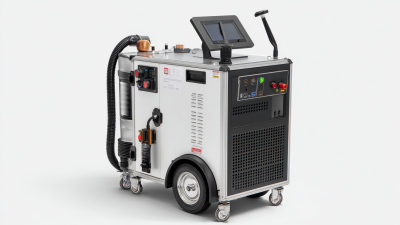
In the world of industrial cleaning, everyone’s really talking about how important efficiency and precision are. That’s where the Laser Cleaning Machine shines — it’s pretty impressive. Unlike the old-school methods, laser cleaning is non-contact and eco-friendly, which is a big win. It produces less waste, doesn’t use nasty chemicals, and helps keep the environment safe, all while speeding things up at the same time.

Companies like CleanTech Industries are really leading the charge with this tech. They’ve got the know-how to help users get the most out of these advanced machines. It’s great at removing rust, paint, and other gunk—cutting down on downtime and maintenance costs. But, honestly, the upfront investment can be kind of intimidating for some businesses. It’s super important to weigh those long-term benefits against the initial costs.

As industries keep changing, picking the right cleaning method is more important than ever. A Laser Cleaning Machine might be exactly what you need, but you gotta take a close look at your specific situation first. There might be some hurdles along the way, like needing ongoing training or support to make the switch smooth. Still, embracing this kind of tech could really boost your efficiency and leave your workspace cleaner overall.

Why Choose a Laser Cleaning Machine for Your Industrial Needs?

Advantages of Laser Cleaning Machines Over Traditional Methods

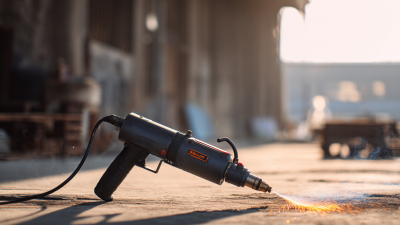
Laser cleaning machines offer numerous benefits over traditional cleaning methods. Using high-intensity laser beams, they effectively remove rust, paint, and other contaminants. This method is quick and efficient, saving time in industrial applications. Traditional methods often rely on harsh chemicals or abrasive materials, which can damage the surface being cleaned.

One of the standout advantages is precision. Laser cleaning targets specific areas without affecting the surrounding material. This precision minimizes risks during the cleaning process. Furthermore, laser cleaning is environmentally friendly. It reduces the need for chemicals, making it safer for workers and the environment.

However, laser cleaning technology isn't perfect. Initial investment costs can be high. Some companies may struggle to justify the expense. Moreover, training is required to operate the machines safely and effectively. As with any technology, it is essential to weigh these challenges against the benefits.

Technological Advancements in Laser Cleaning Technology

Why Choose a Laser Cleaning Machine for Your Industrial Needs?

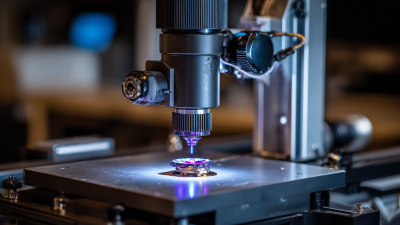
The rise of laser cleaning technology marks a significant shift in industrial cleaning methods. Traditional methods can be time-consuming and often involve harsh chemicals. In contrast, laser cleaning offers precision and efficiency. This technology uses focused light to remove contaminants from surfaces without causing damage.

One critical advancement is the ability to customize laser parameters. Adjusting the wavelength or pulse duration allows for effective cleaning of various materials. This flexibility ensures that operators can tackle different tasks with ease. Reduced wear and tear on parts is another benefit. This improves the lifespan of equipment, leading to lower maintenance costs.

Tips: Always test on a small area first. This helps prevent unforeseen damage. Consider environmental factors when selecting a laser cleaning solution. The effectiveness can be affected by the surrounding conditions.

Despite its advantages, some operations may struggle with the initial investment. Understanding the long-term savings is essential. Analyze the return on investment to make informed choices. With continuous technological progression, laser cleaning is becoming more accessible and reliable.

Cost-Effectiveness of Laser Cleaning in Industrial Applications

Laser cleaning machines have become a game changer in industrial applications, particularly due to their cost-effectiveness. Unlike traditional methods, laser cleaning minimizes the need for harsh chemicals and extensive labor. This technology uses focused light beams to remove contaminants, leading to reduced operational costs over time. By eliminating the need for chemical substances, companies can lower their material costs significantly.

Moreover, the precision of laser cleaning ensures less material wastage. You can clean intricate parts without damaging the substrate. Many industries, such as aerospace and automotive, benefit from this. They often face challenges in maintaining the cleanliness of delicate components. However, occasionally, the initial investment in laser equipment can seem steep for smaller businesses. Therefore, an evaluation of long-term savings versus upfront expenses is critical.

Maintaining laser systems requires proper training and safety protocols. Regular maintenance is essential to ensure efficiency and reliability. While the technology proves effective, understanding its limitations is vital. Sometimes, various surface conditions can impact results. Regular assessments can help in optimizing performance. Thus, investing in laser cleaning technology is not just about immediate savings; it's also about thoughtful integration into existing processes.

Environmental Impact of Using Laser Cleaning Machines

Why Choose a Laser Cleaning Machine for Your Industrial Needs?

Laser cleaning machines are revolutionizing industrial cleaning practices, particularly with their reduced environmental impact. According to a study by the International Journal of Industrial Cleaning, traditional cleaning methods often involve harmful chemicals. These substances can lead to air and water pollution. In contrast, laser technology uses no toxic solvents, significantly reducing the risk of ecological harm.

Furthermore, laser cleaning generates minimal waste. A report from EcoTech Solutions indicated that laser cleaning produces virtually no secondary contaminants. This attribute is vital as industries face increasing pressure to minimize their ecological footprint. The precise application of lasers allows for selective removal of contaminants, which means less material used overall. Every laser cleaning process uses less energy compared to conventional methods, contributing to lower carbon emissions.

However, challenges remain. Initial setup costs for laser cleaning machines can be high. Some industries may hesitate to invest without immediate returns. Training staff to operate laser systems can also require time and resources. Nonetheless, the long-term environmental benefits can outweigh these initial hurdles. Embracing laser cleaning technologies represents a significant step toward a cleaner future in industry. Adopting such innovations could enable significant advancements in sustainability practices.

Efficiency and Speed: The Performance Metrics of Laser Cleaning

Laser cleaning machines have revolutionized industrial cleaning processes. Their efficiency and speed set them apart from traditional methods. Research indicates that laser cleaning can achieve surface preparation in a fraction of the time, often reducing the cleaning duration by up to 80%. This rapid performance is crucial in industries where downtime equates to lost revenue.

A study published by the International Journal of Surface Engineering highlights that laser cleaning processes can operate at speeds of over 2 meters per minute. This is particularly effective in settings where precision and speed are critical. Moreover, laser cleaning minimizes waste. With no chemicals involved, the cleanup process generates less secondary waste, contributing to a more sustainable operation.

Despite these advantages, some industries still hesitate. Initial investment costs for laser cleaning systems may seem high. Additionally, operators must undergo training to utilize this technology effectively. Understanding the specifics of laser cleaning, including its limitations, is vital for informed decision-making. Balancing initial expense with long-term efficiency gains remains a challenge for many businesses.

Safety Considerations for Workers Using Laser Cleaning Technology

Laser cleaning technology is gaining traction in various industrial sectors, primarily due to its efficiency and effectiveness. However, worker safety remains a paramount concern. High-energy laser systems can pose significant risks if not operated correctly. According to a report by the International Laser Cleaning Association, about 30% of workplace accidents related to laser cleaning stem from improper training and operational protocols.


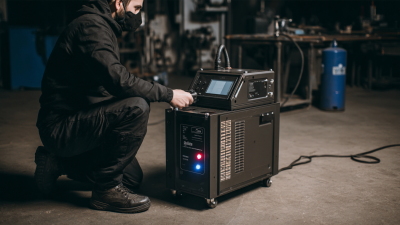
Workers must wear appropriate PPE, including laser safety goggles, to protect against potential eye damage. The bright light from lasers can cause serious injuries within seconds, emphasizing the importance of protective measures. Additionally, spaces should be well-ventilated to minimize inhalation risks from debris created during the cleaning process. A lack of awareness about these hazards can lead to injuries, which highlight the need for thorough training and safety protocols.


Furthermore, the environmental impact of laser cleaning should not be overlooked. While laser technology reduces chemical waste, operators must still manage debris effectively. According to research from the American Society of Mechanical Engineers, about 13% of laser cleaning processes overlook waste management, which can create hazardous conditions. Regular safety audits and staff training can mitigate these risks while promoting a culture of safety in industrial environments.

Applications of Laser Cleaning Across Various Industries

Laser cleaning technology has emerged as a highly effective solution for various industrial applications. Its precision allows for the removal of contaminants without damaging the underlying materials. This makes it invaluable in industries ranging from automotive to aerospace. For example, removing rust and paint from metal surfaces is crucial during maintenance and repair. Laser cleaning not only ensures surface integrity but also reduces further wear and tear.

In the cultural heritage sector, laser cleaning offers a gentle approach to restoring delicate artifacts. Museums and historical sites benefit from this method. It safely removes dirt and grime without harming the original structure. The ability to customize the laser's intensity is essential here. Yet, this technology can present challenges. Operators must be trained to adjust parameters effectively. Misapplication could lead to unintended surface damage, necessitating careful consideration and skilled use.

Manufacturing environments also gain from laser cleaning. Factories utilize it for cleaning machinery and tooling. This process maintains optimal performance and extends equipment lifespan. However, it's crucial to consider the operational cost. Upfront investment can be significant compared to traditional methods. Thus, businesses must weigh the long-term benefits against initial expenditures. An informed decision ensures the right approach for specific needs in the industrial landscape.

Why Choose a Laser Cleaning Machine for Your Industrial Needs? - Applications of Laser Cleaning Across Various Industries

Industry Application Benefits
Manufacturing Surface preparation for coatings Improved adhesion, reduced material waste
Automotive Removal of rust and contaminants Enhanced performance, increased longevity
Aerospace Cleaning of engine components Greater safety, optimized operations
Maritime Hull cleaning and maintenance Reduced fuel consumption, eco-friendly
Construction Concrete surface preparation Improved bonding, dust-free process

Maximizing Efficiency: The Role of Fiber Laser Cleaning Machines in Automotive, Mold, and Heritage Restoration

In the sectors of automotive manufacturing, mold maintenance, and heritage restoration, fiber laser cleaning machines are rapidly gaining traction due to their ability to maximize efficiency while ensuring safety and environmental sustainability. These machines offer a non-invasive cleaning solution that poses no damage to the substrate, making them ideal for meticulous applications where preserving the integrity of surfaces is crucial.

The lightweight handheld cleaning head provides flexibility and ease of use, enabling operators to clean various components without extensive training. Moreover, the operation of fiber laser cleaning machines is straightforward, allowing seamless integration with automated systems to further enhance productivity. This integrated structural design streamlines the cleaning process, making it more efficient than traditional methods that often require water or solvents.

The environmental impact of fiber laser cleaning cannot be overstated; these machines create no pollution and are a safe, reliable choice for modern cleaning needs. Their versatility allows them to effectively remove rust spots, oxide scales, dirt, and coatings across a broad spectrum of applications. As industries continue to seek advanced solutions that reduce operational costs and environmental footprints, fiber laser cleaning machines stand out as a premier choice for enhancing efficiency in various fields.

FAQS

: What is laser cleaning technology?

: Laser cleaning technology uses focused light to remove contaminants from surfaces without causing damage.

How does laser cleaning differ from traditional methods?

Unlike traditional cleaning methods, laser cleaning is more precise and efficient, reducing the use of harsh chemicals.

What are the benefits of customizing laser parameters?

Customizing parameters like wavelength allows for effective cleaning of various materials, tailoring solutions to specific tasks.

What should operators do to ensure safety when using lasers?

Operators must wear appropriate PPE, like laser safety goggles, to protect against potential eye damage and injuries.

Why is training important in laser cleaning?

Proper training helps prevent accidents; around 30% of workplace incidents are due to inadequate training and operational protocols.

How can environmental factors affect laser cleaning?

Environmental conditions can impact cleaning effectiveness, highlighting the need to consider surrounding factors when choosing solutions.

What can be done to manage debris from laser cleaning?

Effective debris management is crucial, as it can create hazardous conditions if overlooked during the cleaning process.

How do initial costs affect the adoption of laser cleaning?

High initial investment may deter some operations; analyzing long-term savings is essential for informed decision-making.

What should operators do before starting laser cleaning?

Always test on a small area first to avoid unforeseen damage during the cleaning process.

How important are regular safety audits?

Regular safety audits and staff training are vital to promoting a culture of safety and managing risks effectively.

Conclusion

The article "Why Choose a Laser Cleaning Machine for Your Industrial Needs?" outlines the numerous advantages of utilizing laser cleaning technology in industrial settings. It highlights how laser cleaning machines offer significant benefits over traditional cleaning methods, including enhanced efficiency and speed, which are crucial for meeting tight production timelines. Technological advancements have improved the effectiveness of laser cleaning, making it not only cost-effective but also a safer option for workers compared to other cleaning methods.

Moreover, the environmental impact of laser cleaning machines is notably positive, as they reduce the need for harsh chemicals and generate less waste. The article explores various applications across multiple industries, showcasing the versatility of laser cleaning technology in meeting diverse industrial needs while ensuring a safer and more sustainable operational approach. Overall, the adoption of laser cleaning machines represents a forward-thinking solution in the pursuit of efficiency and safety in industrial cleaning processes.

Ethan

Ethan

Ethan is a dedicated marketing professional at Maven Laser Automation Co., Ltd., a leading manufacturer of laser systems and professional automation solutions based in Shenzhen, China. With a deep expertise in the company's product offerings, Ethan has been instrumental in promoting the innovative......
Previous 2026 Top Laser Welding Robot Trends for Global Buyers?