In today’s industrial world, you really can't overlook how important it is to get rid of rust effectively. As John Smith from RustAway Technologies puts it, “A Laser Rust Removal Machine is changing the game when it comes to dealing with corrosion.” And honestly, this tech offers a level of precision and speed that the old-school methods just can’t match.
Laser rust removal isn’t just some passing trend; it’s quickly becoming a must-have. Basically, it uses focused laser beams to zap away rust without harming the material underneath. And what’s cool is that it tends to be quicker and more eco-friendly than those chemical treatments. Lots of people report saving a ton of time and cutting down on labor costs too. But, heads up — not every project is a one-size-fits-all kind of deal. Picking the right machine depends a lot on what exactly you’re working on.
That said, it’s not a magic fix for every rust problem. Sometimes, the amount of rust and what kind of material you're dealing with can influence what method makes the most sense. Some folks might still find traditional approaches work better for certain cases. So, if you're thinking about investing in a Laser Rust Removal Machine, take your time, weigh all the factors, and make sure it’s the right fit for your specific needs.
Laser rust removal machines have revolutionized many industries by offering an efficient way to eliminate rust without damaging the underlying surface. Unlike traditional methods, laser technology is precise and environmentally friendly. A study by the International Journal of Advanced Manufacturing Technology indicates that laser rust removal can reduce operational costs by as much as 30%. This makes it a valuable investment for manufacturing, automotive, and aerospace sectors.
In the automotive industry, removing rust from vehicle parts is crucial for safety and aesthetics. According to a report from the Automotive Research Institute, nearly 60% of rust-related repairs stem from surface degradation. Laser machines can ensure a cleaner and deeper removal process. This leads to longer-lasting finishes and reduced repainting costs. Maintenance becomes straightforward, promoting productivity within facilities.
Tip: Regularly assess the condition of coatings and surfaces to determine if laser rust removal is needed. In the aerospace sector, where even minor rust can affect performance, lasers can help maintain stringent safety standards. However, operators must be well-trained to ensure optimal use, as improper handling may lead to uneven surfaces or not fully removing rust. Effective training and adherence to guidelines are vital for leveraging the full potential of these machines.
Tip: Always conduct small tests on materials to understand the machine's impact. Overall, laser rust removal technology brings efficiency and precision, but it requires careful considerations for successful application.
When considering rust removal, many are faced with a choice: laser rust removal or traditional methods. Traditional techniques often employ abrasive materials or chemicals. These can be time-consuming and sometimes harmful to the underlying metal surface. On the other hand, laser rust removal is precise. It targets rust directly without damaging the material beneath. This methodology minimizes the risk of surface imperfections.
Laser technology provides a cleaner approach. It avoids the mess associated with sandblasting or chemical treatments. Plus, it's more environmentally friendly, as it doesn't require harsh chemicals. The precision allows for selective removal, which can save you from potential rework costs. However, it's important to have skilled operators for the laser machines to avoid mistakes and ensure efficiency.
Tips: Always assess the condition of the metal surface. Consider the thickness and type of rust before choosing a method. If you're new to the process, consulting with experts can provide insights that improve the final results. Remember, while lasers are effective, ensuring proper handling is crucial. Aim for a balance between technique and material safety.
When considering a laser rust removal machine, understanding its technical specifications is crucial. Laser power, often measured in watts, directly impacts the efficiency of rust removal. Higher power means faster removal but may also increase the risk of damaging the underlying material. For delicate surfaces, a lower wattage might be more effective, allowing for precise control while ensuring safety.
Laser frequency also plays a significant role. A higher frequency typically means a more effective cutting action, leading to cleaner results. However, the optimal frequency can vary depending on the type of rust and surface material. Users should reflect on what they are attempting to achieve. Are they removing rust from heavy machinery or delicate antiques? This can significantly influence the choice of settings.
Overall, while advanced technology offers promising solutions, it's essential to experiment with different settings to find the best match for specific needs. Understanding these technical aspects allows for a more informed decision, ensuring the laser rust removal machine meets individual requirements effectively.
Laser rust removal machines offer substantial long-term savings for businesses. According to a recent industry report, companies that switch from traditional methods to laser solutions can reduce overall maintenance costs by up to 30%. This reduction is due to the lower frequency of replacements needed for both tools and equipment. Additionally, lasers minimize the need for harmful chemicals, which contributes to significant savings in disposal costs and safety measures.
The efficiency of laser systems also leads to reduced labor hours. A study published by the Surface Engineering Society revealed that laser rust removal can cut operational time by nearly 50%. This efficiency not only increases productivity but also allows businesses to allocate resources more effectively. The initial investment in laser technology may seem high, but the return on investment becomes clear within just a couple of years.
Operational sustainability is another critical factor. Laser rust removal processes produce less waste compared to traditional methods. Some estimates indicate that using lasers can reduce waste production by more than 70%. This is crucial for companies aiming to enhance environmental practices while cutting costs. However, it's essential to ensure a trained workforce. Investing in proper training will maximize the benefits of these systems and achieve significant long-term cost savings.
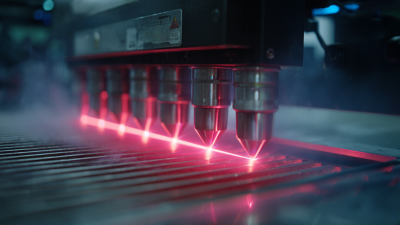
Laser rust removal technology stands out for its eco-friendliness. Traditional methods often rely on harsh chemicals and abrasive materials, which can harm the environment. In contrast, laser technology uses focused light beams to eliminate rust without generating toxic waste. This makes it a safer option for workers and the surrounding ecosystem.
When using a laser rust removal machine, consider these tips: ensure proper ventilation. Even though lasers are cleaner, dust and particles may still be released. Regular maintenance of the machine is vital to keep it running efficiently, minimizing energy consumption and reducing your carbon footprint.
It's crucial to be aware of the limitations of laser technology. While effective, it may not work on all surfaces or for extremely thick rust. Regular inspections of your equipment will help identify when other methods might be necessary. Always evaluate your specific needs to determine if laser rust removal is the right choice for your project.
The laser rust removal industry has been experiencing significant growth in recent years. This surge can be attributed to increasing demand for efficient and environmentally friendly rust removal solutions. Industries ranging from automotive to aerospace are adopting laser technology for its precision and effectiveness. The process eliminates rust without damaging the underlying metal.
Moreover, advancements in laser technology enhance productivity. Companies can now complete rust removal faster than traditional methods. This efficiency can lead to reduced downtime in manufacturing processes. However, the initial investment in laser rust removal machines can be high. Some businesses may hesitate, weighing immediate costs against long-term benefits.
As more businesses recognize the value, competition is rising. New players are entering the market with innovative solutions. This growth trend encourages continuous improvement and technological advancements. Many users report satisfaction with the results. Still, challenges remain, such as operator training and maintenance requirements. These factors require attention and reflection as the industry evolves.
Laser rust removal machines have gained significant attention in various industries due to their efficiency and precision. A recent study reported that companies using laser technology for rust removal have decreased downtime by up to 30%. One notable implementation took place in a manufacturing facility where extensive rust accumulation on equipment affected production. By adopting laser removal, the company not only restored the equipment but also improved overall productivity, showcasing the technology's impact on operational efficiency.
In the automotive industry, a case study demonstrated how a laser rust removal machine helped a repair shop increase service speed. The shop reported a 25% reduction in rust removal time, allowing technicians to focus on other critical repairs. Additionally, the precision of laser removal minimized the risk of damaging underlying surfaces. Despite the advantages, some users expressed concerns about initial costs and the learning curve associated with operating the machines. These challenges highlight the importance of thorough training and investment in skilled personnel.
Further analysis shows that laser rust removal isn't universally applicable. Certain substrates may not respond well to laser treatment, and decisions should be made carefully. Organizations considering this technology must weigh the benefits against potential constraints. Such reflections are essential for aligning laser rust removal with specific operational needs.
This chart illustrates the key advantages of using laser rust removal machines, highlighting their efficiency, cost-effectiveness, environmental impact, user-friendliness, and durability. Each category represents the percentage rating based on case studies and implementations in various industries.
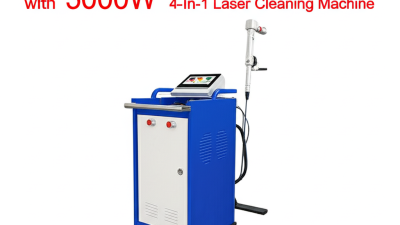
Revolutionizing surface treatment in industrial applications, non-damaging laser cleaners offer a transformative approach to cleaning various surfaces without causing harm to the underlying substrate. These innovative devices utilize advanced laser technology to effectively remove rust spots, oxide scales, dirt, and coatings, providing an efficient cleaning solution that minimizes maintenance costs and prolongs the lifespan of equipment. By eliminating the need for traditional cleaning methods, businesses can significantly reduce downtime and enhance productivity.
Designed with user convenience in mind, the lightweight handheld cleaning head allows for easy operation, making it suitable for both manual and automated cleaning processes. The integrated structure design streamlines the entire cleaning system, further enhancing its usability in various industrial environments. Additionally, the use of these laser cleaners means no water or harsh solvents are required, making the cleaning process not only efficient but also environmentally friendly. With a wide range of applications, these laser cleaners exemplify a reliable choice for industries looking to maintain their equipment without the detrimental effects often associated with traditional cleaning methods.
: It is eco-friendly and avoids harsh chemicals, making it safer for workers and the environment.
While cleaner than traditional methods, dust and particles can still be released. Proper ventilation is necessary.
No, it may not be effective on all surfaces or very thick rust. Regular inspections are helpful.
Maintaining the machine ensures efficient operation and can reduce energy consumption, benefiting the environment.
Increased demand for efficient and eco-friendly solutions is leading various industries to adopt this technology.
Yes, the initial costs can be high, making some businesses hesitant despite long-term benefits.
The process is faster than traditional methods, leading to reduced downtime and increased manufacturing efficiency.
Yes, operator training and maintenance requirements can pose challenges that businesses need to consider.
The article "Why Choose a Laser Rust Removal Machine for Your Needs?" explores the numerous advantages of utilizing laser rust removal technology across various industries. It highlights the effectiveness of the Laser Rust Removal Machine in comparison to traditional methods, emphasizing its precision, efficiency, and ability to minimize surface damage. The discussion on technical specifications clarifies how factors like laser power and frequency contribute to optimal performance.
Additionally, the article presents a cost analysis demonstrating the long-term savings associated with investing in laser rust removal solutions, particularly in terms of reduced labor and maintenance costs. The environmental impact of the Laser Rust Removal Machine is also examined, showcasing its eco-friendly attributes. With growing market trends in the laser rust removal industry, the article features case studies that illustrate successful implementations of this technology, reinforcing its viability and effectiveness.
Contact us
Send Inquiry:
Ready to learn more
There is nothing better than seeing the end result.
Click for inquiry