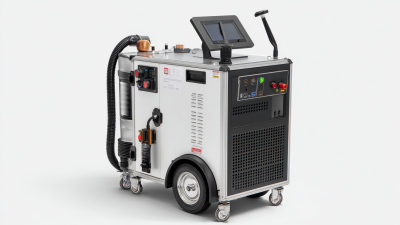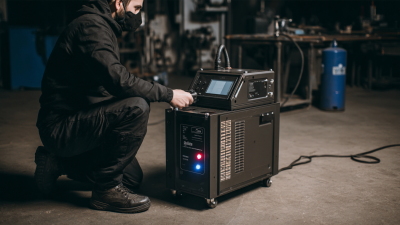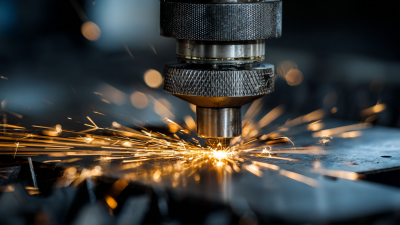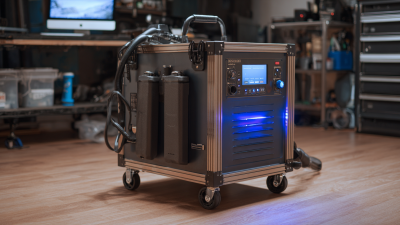
In today's industrial landscape, the need for efficient and eco-friendly surface cleaning solutions has never been more critical. The Laser Cleaner Machine has emerged as a revolutionary tool in this space, leveraging cutting-edge technology to deliver precise and effective cleaning without the use of harmful chemicals. According to a report by Allied Market Research, the global laser cleaning market is projected to reach $1.6 billion by 2026, growing at a compound annual growth rate (CAGR) of 5.1% from 2019 to 2026. This surge in demand reflects a shift towards sustainable practices in various industries, including automotive, aerospace, and manufacturing.
Selecting the right Laser Cleaner Machine can significantly impact operational efficiency and overall cleaning effectiveness. Factors to consider include the laser type, power output, and mobility of the machine. As highlighted in a recent study by MarketsandMarkets, organizations are increasingly prioritizing automated cleaning solutions, which are proving to be up to 50% more efficient than traditional methods. This transformation underscores the importance of investing in the right equipment to achieve optimal results. In this article, we will explore the top five considerations when choosing a Laser Cleaner Machine, ensuring you make an informed decision that meets your specific cleaning needs.
When selecting a laser cleaner machine, several key factors should be taken into consideration to ensure effective surface cleaning.
Firstly, the type of surface you intend to clean plays a crucial role in your decision.
Different materials, such as metals, plastics, and ceramics, react differently to laser cleaning. Therefore, it is essential to choose a machine that is specifically designed for the material you are working with to achieve optimal results.
Another important factor is the power and wavelength of the laser.
Higher power systems tend to be more effective on tougher contaminants, while specific wavelengths may be better suited for particular applications.
Additionally, consider the portability and size of the machine, especially if you plan to use it in various locations or confined spaces.
Energy efficiency and maintenance requirements also impact the overall cost and usability of the machine, making them vital points to evaluate before purchasing.
When selecting the right laser cleaner machine, it's essential to understand the different types of laser cleaning technologies available on the market today. The primary methods include fiber laser cleaning, CO2 laser cleaning, and UV laser cleaning, each catering to specific cleaning needs and materials. Fiber lasers are popular for their efficiency in removing rust, paint, and contaminants from metals, making them ideal for industrial applications. In contrast, CO2 lasers are well-suited for non-metal surfaces, such as wood and plastics, providing a gentle but effective cleaning method. UV laser technology is particularly effective for delicate items where precision is critical, such as in the restoration of antiques and artwork.
Maven Laser Automation Co., Ltd., based in Shenzhen, China, has been a key player in the laser industry since its establishment in 2008. With extensive experience in laser case design, production, and sales, Maven Laser offers a range of advanced laser cleaning systems tailored to meet diverse cleaning requirements. By leveraging the latest advancements in laser technology, Maven ensures that clients receive effective and efficient cleaning solutions that enhance productivity while safeguarding the integrity of various materials. Understanding the specific cleaning technology that best fits your application is crucial in making an informed decision that drives optimal results.
When choosing the right laser cleaner machine, it's crucial to assess
material compatibility to ensure effective surface cleaning. Various materials react
differently to laser technology; for instance, metals such as steel and aluminum typically respond well to
high-intensity lasers, while more delicate materials, like plastics or composites, require lower power settings
to avoid damage. According to a report from Markets and Markets, the global laser cleaning market is projected
to reach $5.5 billion by 2026, indicating a growing recognition of the
significance of material compatibility in achieving optimal cleaning
performance.
Maven Laser Automation Co., Ltd., a leading manufacturer of laser systems, emphasizes the importance of
material assessment in their product offerings. Founded in 2008, Maven
Laser specializes in creating tailored solutions that address various surface cleaning challenges across
multiple industries. An in-depth understanding of the materials involved not only enhances cleaning efficiency
but also prolongs the lifespan of both the cleaner and the substrate being treated. As the industry continues
to evolve, the need for precise laser systems that can adapt to different materials will remain critical in
ensuring effective and safe surface cleaning.
When selecting a laser cleaner machine, understanding power and efficiency ratings is crucial for achieving optimal surface cleaning results. The power output of a laser cleaner, measured in watts, directly influences its cleaning capability. Higher wattage can remove stubborn contaminants more effectively but can also lead to increased operational costs. Therefore, consider the scale of your cleaning tasks and choose a machine that balances power with your specific needs.
Efficiency ratings, often represented as a percentage, indicate how effectively a laser machine converts electrical energy into usable laser output. Choosing a cleaner with higher efficiency not only reduces energy consumption but also enhances the cleaning speed, allowing for more tasks to be completed in less time. Look for models that feature energy-saving modes or advanced cooling systems to maximize efficiency.
Tips: Always compare different models and read user reviews to gauge real-world performance. Additionally, consider machinery that offers adjustable power settings, enabling you to tailor the laser output to different cleaning applications. Regular maintenance also plays a vital role in preserving both power and efficiency, so ensure you follow the manufacturer's guidelines.
When considering a laser cleaner machine, performing a cost-benefit analysis is crucial to understanding the long-term savings associated with this modern cleaning technology. Initial investments may vary widely, with prices for laser cleaners ranging from $10,000 to upwards of $50,000 depending on the features and power output. However, industry reports suggest that companies can anticipate a return on investment within 2 to 3 years based on reduced labor costs and materials. For example, a study by the Institute of Clean Technology indicates that using laser cleaning can reduce the need for chemical solvents by up to 80%, translating to significant savings in both procurement and disposal costs.
Additionally, laser cleaning technology is known to be more efficient, often cutting cleaning times by half compared to traditional methods. According to a report from the Environmental Protection Agency, the reduction in manual labor and the ability to target specific contaminants can lead to productivity increases of nearly 30%. Furthermore, the longevity of laser systems, often exceeding 10 years with proper maintenance, means that businesses can enjoy prolonged savings without the frequent replacements associated with conventional cleaning machinery. This blend of investment and effective cost-saving makes laser cleaning machines an appealing choice for industries aiming to optimize their cleaning processes while reducing environmental impact.
As we move into 2025, the laser cleaning technology market continues to evolve, showcasing advancements that enhance efficiency and effectiveness in surface cleaning. According to a recent industry report, the global laser cleaning market is projected to grow at a CAGR of 16.2%, reaching an estimated value of $350 million by 2025. This growth is primarily driven by the increasing demand for environmentally friendly cleaning solutions across various industries, including automotive, aerospace, and heritage conservation.
When selecting a laser cleaner machine, it's essential to consider top brands that offer reliability and cutting-edge technology. Brands like CleanLasers, LaserX, and Axiom Laser are among the leaders in the field, providing high-performance models that cater to specific cleaning applications. For instance, CleanLasers' CL 200 series is renowned for its precision in removing rust and coatings without damaging the substrate, making it ideal for delicate restoration projects. Meanwhile, LaserX's Compact Pro offers versatility with adjustable power settings, suitable for both light surface cleaning and heavy-duty applications. By focusing on established models from these top brands, users can ensure they choose a laser cleaner that meets their specific surface cleaning needs.
: Key factors include the type of surface material, the power and wavelength of the laser, the portability and size of the machine, energy efficiency, and maintenance requirements.
Different materials, such as metals, plastics, and ceramics, react differently to laser cleaning, so it's essential to select a machine designed for the specific material to achieve optimal results.
A higher power output can effectively remove tougher contaminants but may also lead to increased operational costs. It's important to choose a machine that balances power with your specific cleaning needs.
Efficiency ratings, often shown as a percentage, reflect how well a laser machine converts electrical energy into usable laser output. A higher efficiency can reduce energy consumption and enhance cleaning speed.
Yes, if you plan to use the machine in various locations or confined spaces, the portability and size of the machine are important factors to ensure usability.
Look for models with energy-saving modes, read user reviews for performance insights, choose machines with adjustable power settings, and follow regular maintenance guidelines.
Regular maintenance is crucial for preserving both power and efficiency, helping to extend the machine's lifespan and maintain optimal performance.
Compare different models, read user reviews, and consider machines with adjustable power settings to tailor the laser output for various cleaning applications.
When selecting the right Laser Cleaner Machine, several key factors should be taken into account to ensure effective surface cleaning. Understanding the different types of laser cleaning technologies available, as well as assessing material compatibility, is crucial for optimal results. Additionally, evaluating the power and efficiency ratings of laser cleaners can help buyers make informed decisions based on their specific cleaning needs and applications.
A cost-benefit analysis is also important, enabling potential customers to weigh the initial investment against long-term savings. As the market evolves, leading brands and models of Laser Cleaner Machines for 2025 are emerging, offering advanced features and enhanced performance. Companies like Maven Laser Automation Co., Ltd., with their expertise in laser systems and automation solutions, are well-positioned to provide high-quality products tailored to customer requirements.
Contact us
Send Inquiry:
Ready to learn more
There is nothing better than seeing the end result.
Click for inquiry