0%

When it comes down to keeping industrial equipment in good shape, a Laser Cleaning Machine really has become a must-have. I came across a report from MarketsandMarkets that predicts the global laser cleaning market will hit around $537 million by 2025. That’s pretty wild, and honestly, it shows how more sectors are turning to high-tech cleaning solutions these days. Plus, laser cleaning isn’t just super efficient; it’s also eco-friendly since it cuts down on the need for harsh chemicals. Pretty cool, right?

But here’s the thing—picking the right Laser Cleaning Machine isn’t exactly a walk in the park. There are a bunch of factors to consider like the laser type, how much power it packs, and whether it fits your specific job. For example, some studies suggest that machines with higher power can get the job done faster, but they might also cost more to run. So, it’s all about weighing those factors based on what you actually need.

A lot of businesses tend to overlook how important it is to chat with experts or manufacturers before making a choice. Trust me, getting some advice from people who know their stuff can save you from a bad purchase. Finding that sweet spot between cost, efficiency, and how well it works is key. Honestly, taking the time to do a bit of homework will totally pay off when you end up with the perfect cleaning setup for your needs.

How to Choose the Best Laser Cleaning Machine for Your Needs?

Understanding Laser Cleaning Technology and Its Applications

Laser cleaning technology has revolutionized various industries by offering a highly efficient method for surface preparation and material restoration. This method utilizes focused laser beams to remove contaminants without damaging the underlying surfaces. Applications range from historic restoration of artworks to the removal of rust and paint from metal structures. The precision of laser cleaning allows for meticulous work in environments where traditional methods would be cumbersome or damaging.

Understanding the core principles of laser cleaning is essential for choosing the best machine. Factors such as the type of material to be cleaned, the level of precision required, and the specific contaminants being targeted all play a critical role. For instance, cleaning delicate surfaces requires a gentle touch, while robust materials may withstand more powerful settings. It’s crucial to assess your needs and consult experts to ensure you select an appropriate solution.

Laser cleaning technology is still evolving. New advancements may address limitations in speed and efficiency, but they also raise new questions about usability and cost-efficiency. Prospective buyers should consider both immediate needs and long-term viability when investing in such technology. The right choice balances performance with practicality, ensuring the machine delivers value in various applications.

Identifying Your Specific Cleaning Requirements

When choosing a laser cleaning machine, it’s crucial to assess your specific cleaning needs. Different materials require different approaches. For instance, metal surfaces may need a more powerful laser, while delicate materials like plastics can be damaged easily. Understanding these differences ensures effective cleaning without harm.

Consider the contaminants you intend to remove. Rust, paint, or grease requires distinct laser settings and techniques. Each application can vary widely. Engaging with experts or consulting technical guides can clarify these details. Always tailor your choice to fit the task at hand.

Maintenance and operation must also factor into your consideration. A user-friendly machine can save time. Yet, some models might be overly complex. Reflect on your team’s experience level. It's vital to choose a laser cleaning machine that matches both your cleaning tasks and skill set.

How to Choose the Best Laser Cleaning Machine for Your Needs?

This bar chart displays the main factors to consider when choosing a laser cleaning machine based on specific cleaning requirements.

Evaluating Different Types of Laser Cleaning Machines

When evaluating different types of laser cleaning machines, understanding their capabilities is crucial. There are several laser types available, including fiber, CO2, and Nd:YAG. Each has its applications and benefits. For instance, fiber lasers are highly efficient in removing rust or paint from metals. According to industry reports, fiber lasers account for 39% of the laser cleaning market due to their versatility and effectiveness.

Before making a purchase, consider your specific needs. Analyze the materials you'll be cleaning and the level of contamination present. Some machines may handle delicate surfaces better than others. One piece of advice: invest time in researching machine specifications. Ensure the machine's power settings align with your cleaning requirements.

Tip: Always ask for demonstrations to understand how each machine performs in real-world scenarios. Inconsistencies in results can arise from operator skills or machine limitations. Be mindful of power requirements as well; high-powered machines may offer faster results but could damage sensitive surfaces. Look into machines' weights to ensure portability fits your workspace. Keeping these factors in mind will lead to a more informed decision.

Assessing Power Specifications and Performance Metrics

When selecting a laser cleaning machine, understanding power specifications is crucial. The output power, measured in watts, directly affects cleaning efficiency. Research indicates that machines with at least 1000 watts can remove rust and contaminants more effectively than lower-powered alternatives. Some reports suggest that a 2000-watt laser can reduce cleaning time by up to 50%. This is essential for industries that require quick turnaround times.

Performance metrics also play a significant role in your decision. Consider the pulse frequency, which impacts cleaning speed and precision. Generally, a higher pulse frequency leads to improved finish quality. However, it's essential to balance this with the type of material being cleaned. For fragile surfaces, a lower frequency might be necessary to prevent damage. Industry data often suggests a frequency range of 20-70 kHz as optimal for most applications, but this can vary.

It's important to address potential limitations. A powerful machine may not always equate to superior performance. Maintenance and operator skill also influence results. In some cases, more powerful lasers can create excessive heat, risking damage to sensitive substrates. Therefore, carefully assessing these specifications is vital to making an informed choice that aligns with your specific cleaning needs.

Considering Safety Features and Ease of Use

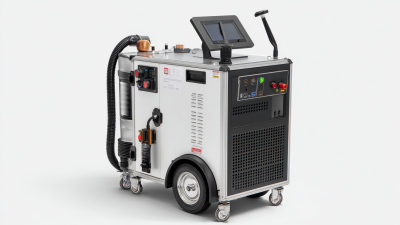
When selecting a laser cleaning machine, safety features are paramount. Ensure that the machine has proper shielding to protect against stray beams. Look for models with emergency stop buttons for quick response in case of an unexpected situation. A unit with audible alarms can also alert operators to potential hazards.

Ease of use greatly impacts the efficiency of the cleaning process. Choose a machine with user-friendly controls and clear instructions. An intuitive interface can significantly reduce the learning curve for new users. Features such as adjustable power settings can help customize the cleaning process for various surfaces.

It’s essential to consider the machine’s weight and portability. A lighter model may be easier to maneuver, but it should still maintain stability during operation. Think about the maintenance requirements. Regular upkeep is necessary for any equipment, so clarity in maintenance procedures is vital.

Comparing Costs and Budget Options for Laser Cleaners

When selecting a laser cleaning machine, understanding costs and budget options is crucial. A report from the Advanced Clean Technologies Association indicates that budget models can range from $10,000 to $50,000. This price disparity often reflects differences in power, effectiveness, and durability.

Many buyers initially gravitate towards lower-cost machines. However, this choice may lead to compromised performance. In fact, a quality laser cleaner can enhance efficiency and reduce long-term expenses. Studies show that higher-end machines offer better energy efficiency. They often require less maintenance, ultimately leading to lower operational costs.

Users should also consider potential hidden costs. These include parts replacement and energy consumption. Accidentally undervaluing these aspects can disrupt budgets. It's wise to calculate both upfront costs and future expenses thoroughly. Doing so ensures that you make the most informed decision possible, ultimately aligning with your organization’s financial health.

Researching Supplier Reputation and Customer Support Services

When selecting a laser cleaning machine, researching supplier reputation is essential. A supplier's history can speak volumes about their reliability. Look for companies with years of experience in the industry. Check their customer reviews and case studies. Positive feedback usually indicates a trustworthy source. However, consider getting insights from multiple customers to avoid biased opinions.

Customer support services are equally crucial. Efficient support can save you time and money down the road. Ask potential suppliers about their after-sales services. Do they provide training? Is technical assistance readily available? These details matter when equipment issues arise. Pay attention to response times for support inquiries too. A quick response can prevent downtime in your operations.

Be aware of potential red flags. Some suppliers may overpromise or provide limited communication. Ensure clarity on warranty terms and maintenance options. Consider how easily you can reach them if you have issues. Finding a balance between cost and quality often requires research and reflection. Investing time in these areas can lead to better long-term choices.

Maximizing Restoration Efficiency: The Role of Fiber Laser Cleaning Machines in Automotive and Heritage Projects

The advent of fiber laser cleaning machines marks a significant leap forward in both automotive and heritage restoration projects. These cutting-edge devices are designed to enhance restoration efficiency while adhering to environmental standards. With a promise of zero damage to the substrate, these machines efficiently remove rust spots, oxide scales, dirt, and coatings without the need for water or solvents. According to a recent industry report by IBISWorld, the cleaning equipment market has been steadily growing, propelled by the demand for safer and more efficient restoration techniques. This trend underscores the importance of innovative solutions like fiber laser cleaning in modern applications.

One of the key advantages of fiber laser cleaning machines lies in their lightweight and handheld cleaning head, which promotes ease of use, making them suitable for both intricate automotive components and delicate heritage artifacts. Their integrated design allows for seamless operation, enabling compatibility with automated systems. This is crucial in restoring heritage sites where precision is paramount. The technology not only streamlines the cleaning process, reducing labor intensity, but also minimizes environmental impact, ensuring a safe and reliable operation. The ability to operate without harmful chemicals positions fiber laser cleaning as a sustainable choice in restoration.

In addition to their versatility in various applications, fiber laser machines have shown impressive results in efficiency, reducing cleaning time while increasing effectiveness. With the growing focus on sustainable practices in industries such as automotive and cultural preservation, the adoption of these technologies is indicative of a broader shift towards environmentally-friendly solutions. Industry projections indicate that by 2025, the demand for advanced cleaning technologies, including laser systems, could see an increase of over 20% as more sectors recognize their potential in enhancing restoration outcomes.

FAQS

: What safety features should I look for in a laser cleaning machine?

: Look for proper shielding and emergency stop buttons. Audible alarms are also important for hazard alerts.

How can I ensure ease of use for a laser cleaning machine?

Choose a machine with a user-friendly interface and clear instructions. Adjustable power settings help tailor the cleaning process.

Why is the weight and portability of a laser cleaning machine important?

A lighter machine is easier to maneuver. However, stability during operation should not be compromised.

What should I consider regarding maintenance for laser cleaning machines?

Regular maintenance is essential. Ensure maintenance procedures are clear for effective upkeep.

How can I research a supplier’s reputation?

Check the supplier's history, customer reviews, and case studies. Look for years of experience in the industry.

What customer support services should I expect from suppliers?

Efficient support includes training and technical assistance. Quick response times to inquiries are essential.

What potential red flags should I be aware of when choosing a supplier?

Watch for overpromises and limited communication. Clarify warranty terms and maintenance options before deciding.

How do I balance cost and quality in my selection?

Research thoroughly to find a balance between reasonable cost and reliable quality. Reflection is vital in this process.

Are there specific features that enhance the cleaning process?

Intuitive interfaces and adjustable settings can improve efficiency. Think about how features align with your needs.

What if I encounter issues with equipment after purchase?

Make sure the supplier provides sufficient after-sales support. Prompt assistance can minimize downtime and enhance productivity.

Conclusion

When choosing the best Laser Cleaning Machine for your needs, it's essential to first understand the technology and its diverse applications, including industrial cleaning and surface preparation. Analyzing your specific cleaning requirements will guide you in selecting a machine that meets your expectations. Different types of laser cleaning machines vary in design and application, making it crucial to assess their power specifications and performance metrics to ensure efficiency.

Additionally, safety features and ease of use should be prioritized, as these factors contribute to a smoother operation. Budget considerations are also significant; comparing costs across different models can help you find an option that fits your financial plan. Lastly, researching supplier reputation and customer support services is vital to ensure reliable service and support after your purchase. By carefully evaluating these aspects, you can make an informed decision and select the right Laser Cleaning Machine for your projects.

Madeline

Madeline

Madeline is a seasoned marketing professional at Maven Laser Automation Co., Ltd., a leading manufacturer of laser systems and advanced automation solutions based in Shenzhen, China. Since joining the company, which was founded in 2008, she has cultivated an extensive knowledge of laser......
Previous 2026 Best Fiber Laser Engraver for Precision and Speed?