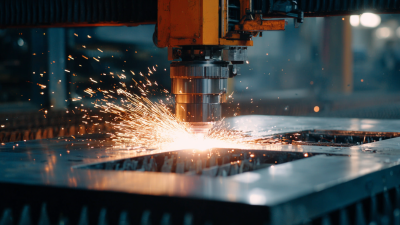
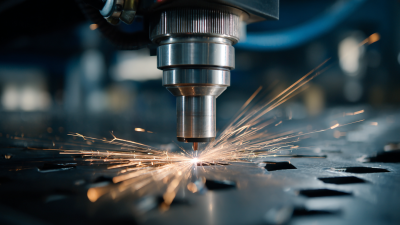
Choosing the right Laser Welding Machine can significantly impact your production efficiency and quality. This decision is crucial for businesses in many industries, including automotive, aerospace, and electronics. A suitable machine not only improves welding speed but also enhances precision. However, the abundance of options can be overwhelming.
When selecting a Laser Welding Machine, consider your specific needs. What materials are you welding? What thickness do you typically work with? Understanding these factors is vital for making an informed choice. Keep in mind that not all machines suit every application. Some may perform poorly under certain conditions.
It's important to reflect on your long-term goals. Investing in a high-quality Laser Welding Machine may seem costly upfront. Yet, inadequate equipment can lead to costly mistakes and rework down the line. Always weigh the potential return on investment. Make sure to evaluate ongoing support from manufacturers like Trumpf or Amada. The right Laser Welding Machine can shape your company's future in welding technology.

Understanding Laser Welding Technology and Its Applications
Laser welding technology has revolutionized various industries by providing precise and efficient joining methods. Its applications range from automotive manufacturing to electronics. According to a report by Mordor Intelligence, the global laser welding market is projected to reach $5 billion by 2026, growing at a CAGR of 5.6%. This indicates a strong demand for innovative welding solutions across sectors.
Understanding the principles of laser welding is essential. The process utilizes focused laser beams to melt and fuse materials. It is not just about speed; it offers high-quality welds with minimal heat affected zones. However, laser welding is not without challenges. Factors such as material thickness and surface conditions can impact the quality of the weld. Inadequate preparation may lead to defects, compromising the integrity of the joint.
Additionally, the versatility of laser welding makes it attractive, but also complex. Different types of lasers (e.g., fiber, CO2) have unique strengths. The choice depends on your specific application. A study by Research and Markets indicated that fiber lasers are gaining popularity due to their efficiency. However, those new to the technology must carefully evaluate their needs and existing workflows. Understanding these nuances is crucial to successfully integrating laser welding into production processes.
Key Factors to Consider When Choosing a Laser Welding Machine
When selecting a laser welding machine, several key factors come into play. The material type is crucial. Different materials require specific laser types or power settings. For example, thin metals need less power, while thicker metals demand higher intensity. Understanding your material ensures the right fit.
Another important aspect is the machine's cooling system. A good cooling mechanism helps maintain optimal performance during long tasks. You might find that some machines overheat easily. This can lead to inconsistent welds and delays. Moreover, consider the machine's portability. If you plan to move the machine frequently, weight and design matter. A compact machine can save you time and energy.
Lastly, evaluate the available features. Some machines offer advanced settings and automation, but these often come with a learning curve. It's worth reflecting on whether you'll use those features effectively. Simplicity can be more beneficial than complexity. Balancing your needs with the machine’s capabilities will lead to the best choice.
Types of Laser Welding Machines: CO2, Fiber, and Nd:YAG
When it comes to choosing a laser welding machine, understanding the types is crucial. CO2 laser machines are powerful and versatile. They are often used for cutting and welding materials like metal and plastic. However, they can be bulky and may require more maintenance compared to other types. This aspect can be a drawback for some users.
Fiber lasers, on the other hand, are gaining popularity for their efficiency. They work well with various metals, including steel and aluminum. The energy consumption is lower, making them cost-effective in the long run. Still, some users may find that they produce a more focused beam, which can require precise handling and setup.
Nd:YAG lasers provide another option, excelling in applications requiring deep penetration. They are particularly effective for welding thicker materials. However, their slower speed can be a disadvantage in high-volume environments. Choosing the right machine depends on your specific needs and applications. It’s essential to weigh the benefits against potential challenges.
Comparison of Different Types of Laser Welding Machines
Evaluating Power and Speed Requirements for Your Welding Needs
When selecting a laser welding machine, understanding power and speed requirements is critical. The material you will be welding is essential in guiding your choice. Thicker materials need higher power settings. This requires careful consideration. Setting the power too low may lead to weak joints. Conversely, excessive power can cause burn-through or warping.
Speed also plays a crucial role. Faster welding speeds can boost productivity but may diminish joint quality. Slower speeds usually result in stronger welds but might slow down your operations. Be mindful of the balance here. A sudden increase in speed can lead to mistakes. Testing various settings helps in understanding the limits of your machine.
Welding applications vary greatly, so consider specific project needs. Some tasks may demand a fine finish while others prioritize speed. If unsure, consulting with experts can provide clarity. Power and speed must align with your unique requirements. Achieving the right balance is essential for achieving optimal results.
Assessing Budget and Cost-Effectiveness of Laser Welding Equipment
Choosing the right laser welding machine demands close attention to its cost-effectiveness and budget. In recent studies, nearly 45% of manufacturers reported budget constraints as a top concern when selecting equipment. Understanding the initial purchase cost is crucial. However, operational costs often pile up, impacting long-term value. Efficient machines can reduce energy costs significantly. Buying a machine with a lower initial cost may lead to higher expenses over time.
Investment in high-quality laser machines can yield substantial savings. Data reveals that businesses utilizing advanced laser technology can reduce welding times by up to 75%. This efficiency translates to increased productivity and lower labor costs. Remember, a machine's maintenance cost can also affect its overall affordability. Regular maintenance can prevent unexpected breakdowns, which disrupt production.
Balance is key in your decision-making. The temptation to opt for a cheaper model might save money upfront. However, this choice could result in frequent repairs or inefficient performance. A comprehensive analysis of warranty support and expected lifespan is essential. Ensure that any machine you consider can meet both immediate and future needs. Ultimately, every option warrants careful reflection before making an investment.
How to Choose the Right Laser Welding Machine for Your Needs?
| Feature |
Entry Level |
Mid Range |
High End |
| Cost (USD) |
$5,000 - $10,000 |
$10,000 - $25,000 |
$25,000+ |
| Average Power (Watts) |
100 - 200 |
200 - 500 |
500+ |
| Welding Speed (mm/min) |
100 - 300 |
300 - 600 |
600+ |
| Maintenance Frequency (Months) |
6 |
12 |
24 |
| Ideal Materials |
Soft Metals |
Medium Hard Metals |
Hard Metals and Alloys |
| Operator Skill Level |
Beginner |
Intermediate |
Advanced |
Exploring Maintenance and Support Options for Laser Welding Machines
When selecting a laser welding machine, maintenance and support often get overlooked. Yet, they play a crucial role in ensuring efficiency and longevity. According to a recent industry report, over 30% of downtime in manufacturing is caused by equipment failures. Regular maintenance can prevent unexpected breakdowns and costly repairs.
One key aspect of maintenance is routine inspections. Check for wear and tear on components every month. This simple step can significantly extend the machine's lifespan. Additionally, keep an eye on the cooling system. The performance of a laser welding machine is heavily reliant on efficient cooling.
The availability of support options also matters. Evaluate the supplier's customer service. A responsive support team can resolve issues quickly. On-site training can be a game-changer for operators. As the report indicates, firms investing in operator training see a 25% increase in productivity.
Tips: Ensure that you have a service contract in place. This can save costs long-term. Don't hesitate to ask for user feedback about maintenance from the supplier. Real insights can help you make informed decisions.
Selecting the Right Accessories and Safety Equipment for Laser Welding
When selecting a laser welding machine, the right accessories and safety gear are crucial. For gloves, choose non-reflective materials to avoid glare. Look for durable options that offer protection against heat. Proper face shields are also essential. They should provide clear visibility while blocking harmful light. You want equipment that allows you to focus on your work.
Safety shoes can’t be overlooked. They should have a steel toe and anti-slip soles. This helps prevent accidents in the workshop. Additionally, consider a quality fume extraction system. Welding produces smoke and particles that are harmful if inhaled. Ensure your workspace is well-ventilated. It’s a small investment for your long-term health.
Be mindful of your own skills too. New users might overlook the importance of practice. Take the time to familiarize yourself with your setup. Test different settings on scrap materials before starting your project. Reflect on what works best for you. Learning from mistakes is part of the process. Adapting may lead to better results down the road.
FAQS
: Customers often return items due to sizing issues. Accurate measurements are crucial.
You can track your order using a confirmation link. Check your email for updates.
Report any damage immediately. Documentation is vital. Pictures can help your case.
Changes are possible only within a short window. Act quickly to avoid complications.
Most platforms accept cards and digital wallets. Check for specific limits on transactions.
Contact methods usually include email and chat. Response times may vary, so be patient.
Shipping fees depend on location and order size. Review the policy before checkout.
Refund delays can happen. Contact support for clarity and check transaction timelines.
Customer feedback is important. Share your experience to help improve future services.
Customers often mention shipping delays. Communication can sometimes be unclear, leading to confusion.
Conclusion
When choosing the right Laser Welding Machine for your needs, it is essential to understand the technology and its various applications. Key considerations include the type of laser welding machine suitable for your projects, such as CO2, Fiber, or Nd:YAG. Evaluating power and speed requirements based on the materials you'll be working with is crucial, as is assessing the budget and overall cost-effectiveness of the equipment.
Additionally, maintenance and support options should be explored to ensure long-term usability, while selecting the appropriate accessories and safety equipment is vital for safe operation. By taking these factors into account, you can make an informed decision that aligns with your welding needs and enhances productivity.