Laser cleaner machines are really changing the way we approach cleaning. They use these super intense laser beams to get rid of dirt and grime from surfaces—pretty cool, right? According to a report from MarketsandMarkets, the laser cleaning market is expected to hit around $4.4 billion by 2025. That growth mostly shows how more people are looking for eco-friendly ways to keep things clean without messing up the environment.
Dr. Emily Chen, who’s a pretty big name in laser tech, mentions, “Laser cleaning offers precision and safety that traditional methods just can’t match.” Basically, it cleans without needing harsh chemicals or rough abrasives—nice and safe, and better for the planet. But here’s the thing: a lot of folks might overlook how tricky it can be to learn how to operate these machines properly. There’s a bit of a learning curve, and you definitely need to get the hang of it.
As more industries start adopting laser cleaner tech, there are still some hurdles. For example, the upfront cost can scare off smaller businesses. Plus, making sure staff are properly trained is super important—both for safety and to get the best results. All in all, this tech is evolving fast, and it’s worth thinking about not just what it can do, but also what its limits are. When we look into how these laser cleaners work, it’s a balancing act between innovation and practical use—something we gotta keep in mind.

What is a Laser Cleaner Machine?
A laser cleaner machine is an innovative tool used for surface cleaning. It employs focused laser beams to remove contaminants like rust, paint, and oil from various materials. This technology is growing in popularity due to its precision and effectiveness. According to industry reports, the global laser cleaning market is set to reach $1.5 billion by 2025, reflecting the increasing demand across multiple sectors.
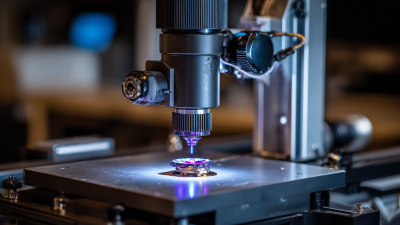
Using a laser cleaner machine is efficient. The device converts electrical energy into concentrated light energy. When the laser hits the surface, it generates heat, which effectively vaporizes or dislodges unwanted elements. This method is not only accurate but also environmentally friendly. There are no harsh chemicals involved, which makes it safer for users and the environment alike.
Tips: Always wear appropriate safety gear. Eye protection is crucial when operating a laser cleaner. Regular maintenance of the machine is essential. Clean components can affect performance. Also, practice on scrap materials before tackling valuable items. It’s a learning process, and adjustments are often necessary. Keep in mind that not every surface may react well to laser cleaning. Understanding material properties is vital for successful outcomes.
Laser Cleaner Machine Performance Comparison
Key Components of Laser Cleaner Technology
Laser cleaner machines represent an innovative approach to surface cleaning. The primary components include a
laser source, beam delivery system, and control unit. The laser source, often a fiber or diode laser, generates high-intensity light. This energy is concentrated onto the surface, effectively removing contaminants like rust, paint, and other impurities.
The beam delivery system directs the laser beam to the target surface. It is often equipped with mirrors and lenses. The precision of this system ensures that the laser hits the intended area without damaging surrounding materials. The control unit manages the operational parameters, such as speed and intensity. Adjusting these settings is crucial for optimal cleaning results.
Tips: Regular maintenance of the laser cleaner is important. Scheduled checks can help identify potential issues. Additionally, ensure the cleaning environment is safe. Always use protective gear when operating the machine.
Reports indicate that laser cleaning can reduce waste by up to 60%, making it a sustainable choice. However, operators must be trained. Untrained use can lead to improper settings and ineffective cleaning. It’s important to reflect on the learning curve when adopting this technology.
How Laser Cleaners Operate: Step-by-Step Process
Laser cleaners are innovative devices that use high-intensity lasers to remove unwanted materials. The process is efficient and eco-friendly. This technology works by focusing laser beams on the surface that needs cleaning. The laser energy interacts with contaminants, breaking them down without damaging the underlying material.
Here's how laser cleaners operate: The machine generates a focused laser beam. The user directs this beam onto the surface. As the beam hits the contaminants, they absorb energy and vaporize. In some cases, the contaminants might also be blown away by the force created by the laser. This is a precise and controlled method that minimizes damage to the surface being cleaned.
Tip: Always wear protective gear. The high-intensity light can be harmful to your eyes. Also, test the laser on a small area first. This helps ensure that the surface can handle the laser's intensity.
Another point to consider is the type of material being cleaned. Some surfaces react differently to laser cleaning. Metals may tolerate high power, while plastics might not. It is crucial to adjust the laser's settings accordingly.
Remember, safety and testing are key. Utilizing laser technology effectively requires practice and patience.
Applications of Laser Cleaning in Various Industries
Laser cleaning technology has emerged as an innovative solution across various industries. This method leverages focused laser beams to remove contaminants from surfaces without causing damage. The automotive sector, for instance, utilizes laser cleaning to eliminate rust and residues from metal components. According to a report by Research and Markets, the global laser cleaning market is expected to grow by 6.5% annually.
In the manufacturing industry, laser cleaning proves effective in preparing surfaces for welding or painting. It ensures high-quality finishes by removing grease, dirt, and oxidation. The aerospace sector also benefits from this technology, as it helps maintain aircraft integrity by cleaning critical parts without abrasive techniques. A study by Allied Market Research indicates that the aerospace cleaning market is expected to reach $4.2 billion by 2026, suggesting a strong reliance on advanced technologies like laser cleaning.
Nonetheless, the adoption of laser cleaning isn't straightforward. Some industries express concerns about the initial investment and training required. The technology might not be suitable for all materials, which can limit its application. Businesses need to carefully assess their specific needs and the feasibility of implementing laser cleaning solutions effectively. As industries evolve, the potential of laser cleaning remains significant, but it requires thoughtful integration into existing processes.
Advantages of Laser Cleaning Over Traditional Methods
Laser cleaning technology has gained significant traction in recent years. It presents notable advantages over traditional cleaning methods. For instance, studies show that laser cleaning can remove contaminants effectively without damaging the underlying surfaces. A report by a leading industrial research group indicates that laser cleaners can achieve up to 90% efficiency in rust and paint removal. This high efficacy reduces the need for repeated cleaning sessions.
One of the most appealing advantages of laser cleaning is environmental safety. Unlike chemical cleaners, laser systems do not produce harmful waste. They eliminate the need for abrasive materials such as sand or grit, which can generate significant disposal issues. Moreover, laser cleaning usually requires less water, conserving resources in places where water is limited.
Tips: When considering laser cleaning, examine the specific materials you plan to clean. Certain surfaces may react differently to laser energy. Perform a test on a small area if possible. Additionally, consider the operational costs; while laser machines may have higher upfront costs, savings in labor and materials over time can offer significant returns.
Industry Stats: Effectiveness and Efficiency of Laser Cleaners
Laser cleaners have gained traction in various industries. They offer an effective method for removing contaminants. With precise targeting, laser technology ensures thorough cleaning without damaging surfaces. This capability is essential for maintaining quality in production processes. Many industries utilize this technique for rust removal, paint stripping, and even surface preparation.
Recent studies highlight the efficiency of laser cleaners. They can achieve up to 90% effectiveness in cleaning operations. The process can be quicker than traditional methods. However, the initial cost of laser systems can be a barrier. Companies often weigh the long-term savings against the startup investment. Some organizations might underestimate the training required for staff. Understanding the technology is crucial for maximizing benefits.
Challenges exist even with advanced technology. Not all surfaces respond well to laser cleaning. Some materials may require a combination of methods. Data suggests that ongoing maintenance of laser equipment is needed to ensure performance. Decisions made without thorough analysis may lead to unsatisfactory results. It's essential to consider both the pros and cons before implementing laser cleaning solutions.
Future Trends in Laser Cleaning Technology and Market Growth
Laser cleaning technology is gaining momentum in various industries. It offers an eco-friendly solution for surface preparation and rust removal. This technology uses concentrated laser beams to vaporize unwanted materials. As industries strive for sustainable practices, the demand for laser cleaners is increasing.
Future trends show promising advancements in laser cleaning effectiveness. Researchers are exploring new wavelengths and pulse durations. These innovations can enhance precision and reduce material damage. However, a challenge remains: balancing efficiency and cost. Many small businesses still hesitate due to initial investment costs. Education about the benefits could bridge this gap.
Market growth potential is significant. Industries like automotive, aerospace, and heritage conservation are prime candidates for adoption. As awareness spreads, more companies will embrace this technology. Collaboration between manufacturers and end-users is crucial. Innovators should focus on developing affordable solutions. The future of laser cleaning is bright but requires careful navigation.
FAQS
: The product aims to solve specific challenges in daily tasks. It enhances efficiency and ease of use.
Anyone looking to improve their workflow can benefit. It is designed for various users, regardless of skill level.
Yes, there are unique features that set it apart. These features improve user experience and functionality.
Some users may find it complex at first. Familiarity requires time and patience to master all functions.
Regular practice helps improve proficiency. Explore all features and functionalities to maximize benefits.
Yes, there are resources available for assistance. Users can access guides and customer support when needed.
Conclusion
A Laser Cleaner Machine is an advanced technology designed for surface cleaning using laser beams. This innovative device operates through a step-by-step process where high-intensity lasers are directed at surfaces, effectively removing contaminants such as rust, dirt, and paint. Key components include laser sources, beam delivery systems, and control units, all of which work together to optimize cleaning efficiency.
Laser cleaning offers numerous advantages over traditional methods, including reduced waste, minimal environmental impact, and enhanced precision. Its applications span various industries, such as automotive, manufacturing, and heritage preservation, indicating a growing trend in its adoption. Industry statistics highlight the effectiveness and efficiency of laser cleaners, making them a preferred choice for surface preparation. As technology progresses, the future of laser cleaning is poised for significant market growth and innovation within diverse sectors.