
 In the industrial world, maintaining the integrity of machinery and structures is paramount, especially when faced with challenges such as rust. Rust not only compromises aesthetics but can also lead to significant operational inefficiencies and safety hazards. According to a report by MarketsandMarkets, the global metal cleaning market is projected to reach $2.14 billion by 2026, highlighting the increasing demand for efficient rust removal techniques. One of the most effective methods to combat rust is the use of a Laser Machine To Clean Rust, which provides a precision-focused solution that minimizes material removal while maximizing cleaning efficacy.
As a leading manufacturer of laser systems, Maven Laser Automation Co., Ltd. has been at the forefront of this technology since 2008, delivering innovative automation solutions that cater to the growing needs of various industries. By leveraging state-of-the-art laser systems, businesses can significantly enhance their rust removal practices, ensuring longevity and operational efficiency in their machinery.
Understanding Laser Technology for Rust Removal: Principles and Advantages
Laser technology has emerged as a cutting-edge solution for rust removal, offering a variety of advantages over traditional methods. The fundamental principle behind laser rust removal lies in the focused energy of the laser beam, which effectively targets and vaporizes rust particles without damaging the underlying metal surface. This precision makes lasers particularly beneficial for intricate and delicate components where conventional techniques may risk causing further damage.
One of the primary advantages of using lasers for rust removal is the minimal environmental impact. Unlike chemical treatments that can produce hazardous waste, laser systems operate without the need for abrasive materials or harmful chemicals. Furthermore, laser cleaning can significantly reduce labor costs and time efficiency, as the process is often quicker and requires less manual intervention. By enhancing the speed and safety of rust removal, laser technology not only extends the life of metal surfaces but also contributes to more sustainable industrial practices.
How to Use a Laser Machine for Effective Rust Removal Techniques - Understanding Laser Technology for Rust Removal: Principles and Advantages
| Technique | Advantages | Disadvantages | Application Areas | Cost Estimate |
|---|---|---|---|---|
| Laser Rust Removal | Highly efficient, precise removal of rust; minimal impact on substrate material | Initial setup cost can be high; requires trained personnel | Automotive parts, industrial machinery, marine applications | $100 - $300 per hour |
| Chemical Rust Removal | Cost-effective for large areas; can be done by unskilled labor | Potentially harmful chemicals; slower process | Construction sites, restoration projects | $20 - $50 per gallon of solution |
| Sandblasting | Effective for heavy rust; can cover large surfaces quickly | Can damage underlying material; produces dust | Heavy machinery, outdoor structures | $75 - $150 per hour |
| Power Washing with Rust Inhibitor | Accessible method; prevents future rusting | Less effective on deep rust; requires chemical application | Residential areas, vehicles, machinery | $50 - $100 per session |


FAQS
: The main types of laser machines used for rust removal are fiber lasers, CO2 lasers, and UV lasers. Fiber lasers are efficient for metal surfaces, CO2 lasers are suitable for thicker materials and various substrates, while UV lasers offer high precision for delicate applications.
Laser rust removal is more efficient, reduces cleaning times by up to 50%, and minimizes surface damage compared to traditional methods like sandblasting or chemical treatments, which can weaken underlying materials.
The benefits include minimal secondary waste, reduced labor and material costs in the long run, and an environmentally friendly approach compared to conventional techniques that utilize harsh chemicals.
Consider the material and thickness of the rusted surface, evaluate the operational costs, and ensure access to proper training and support for effective usage.
Yes, laser technology has been successfully applied in the restoration of historical machinery, allowing for safe rust removal without damaging intricate components.
Regular maintenance is crucial as it enhances performance, minimizes downtime, and ensures optimal results during the rust removal process.
Yes, conducting preliminary tests on a sample surface is recommended to determine the most effective technique and settings for the specific rust removal project.
While fiber lasers are particularly effective for metal surfaces, their effectiveness on non-metal surfaces may vary, and other laser types may be more suitable for those applications.
While the initial investment in laser technology may be higher, the long-term savings in labor and material waste make it a more economically viable solution over time.
Proper training in operating the specific laser machine, understanding its settings, and learning best practices for rust removal is highly recommended for optimal results.
Conclusion
Maven Laser Automation Co., Ltd. highlights the effective use of laser machines to clean rust, showcasing the superior advantages of laser technology in rust removal processes. By understanding the principles of laser technology, users can select the right type of laser machine tailored to their specific rust removal needs. Safety protocols are of utmost importance, ensuring that operators can use these machines without risk.
Optimizing laser settings for different rust situations allows for efficient and effective rust elimination compared to traditional methods. Case studies demonstrate the successful application of laser technology across various industries, further confirming its effectiveness. With a commitment to providing high-quality laser systems, Maven Laser Automation Co., Ltd. stands as a leader in the market, making laser machines an optimal choice for cleaning rust.
Related Posts
-
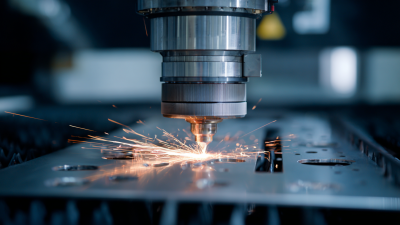
Unmatched Manufacturing Excellence in China Featuring the Best Laser Cleaning Head With Advanced Operating Modes
-
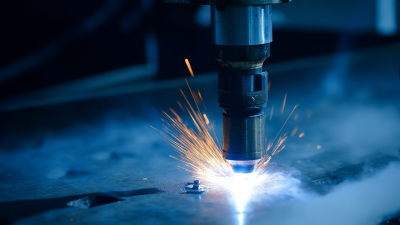
What is the Role of Laser Welder Cleaner in Efficient Rust Removal and Welding
-
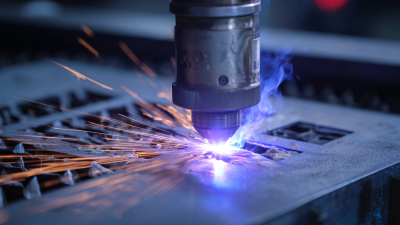
5 Essential Tips for Using Pulse Laser Cleaning Machine for Rust Removal
-
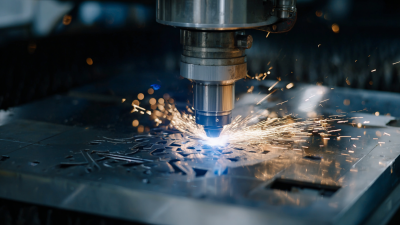
5 Essential Tips for Maximizing Efficiency with Your Rust Cleaning Laser Machine
-

What is the Efficiency of 200w Pulse Laser Cleaning Machine for Wood Applications
-

Excellence in Manufacturing with the Best Mini Fiber Laser Machine from China to the World

Olivia


-

Phone
-

E-mail
-

Whatsapp
-

Wechat
Wechat

-

Top