
In the competitive landscape of industrial cleaning, the efficiency and effectiveness of cleaning systems are paramount. The introduction of advanced technologies, particularly the 3000w Laser Cleaning Machine, has revolutionized the industry by offering a non-contact, environmentally friendly solution for surface preparation and contaminants removal. According to a report by MarketsandMarkets, the laser cleaning market is projected to reach $2.1 billion by 2025, driven by the growing demand for sustainable cleaning solutions in various sectors, including manufacturing and automotive. Maven Laser Automation Co., Ltd., a leading manufacturer of laser systems based in Shenzhen, China, has been at the forefront of this revolution since its inception in 2008. By leveraging state-of-the-art technology in the design and production of laser cleaning machines, Maven aims to enhance the operational efficiency of businesses while minimizing environmental impact. Adopting a 3000w Laser Cleaning Machine not only boosts productivity but also positions enterprises as leaders in sustainable industrial practices.

Understanding the Working Principles of a 3000w Laser Cleaning Machine
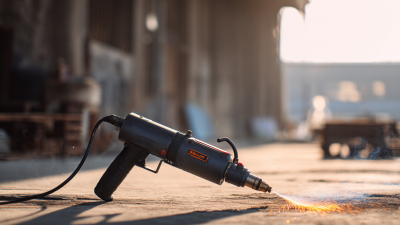
 A 3000w Laser Cleaning Machine utilizes high-intensity laser beams to remove contaminants and unwanted materials from surfaces without damaging the substrate. The basic principle involves delivering a concentrated beam that heats up the impurities to a vaporization point, causing them to dislodge from the surface. This process is efficient for a variety of applications, including metal surface preparation, rust and paint removal, and cleaning delicate components in automotive and aerospace industries. According to a report from MarketsandMarkets, the laser cleaning market is projected to grow from USD 2.1 billion in 2020 to USD 4.5 billion by 2025, underscoring the increasing adoption of this technology.
Maven Laser Automation Co., Ltd., a prominent player in laser technology, emphasizes the importance of understanding these principles to maximize efficiency in industrial cleaning. The company, established in Shenzhen in 2008, has evolved from laser case design to producing advanced automation solutions that integrate laser cleaning technology. By harnessing the power of a 3000w laser cleaning machine, industries can not only enhance cleaning efficiency but also reduce operational costs and improve safety standards. With minimal water usage and no chemical solvents required, this technology aligns with the growing demand for eco-friendly solutions in industrial operations.

FAQS
: Laser cleaning technology can reduce labor time and material waste by up to 50% compared to conventional cleaning methods, thanks to advanced monitoring and defect detection techniques.
Techniques such as YOLOv8-seg and Mask R-CNN improve monitoring accuracy, optimizing cleaning parameters and enhancing defect detection and surface quality assessment in real time.
In agriculture, laser-induced breakdown spectroscopy facilitates large-scale measurement of soil organic carbon, supporting improved soil management and sustainability initiatives.
Regular maintenance includes routine inspections of optics and lens, cleaning components, ensuring the cooling system works properly, and monitoring laser calibration.
Dust, debris, and residue on the machine's optics can significantly diminish the laser’s efficiency and precision, making routine cleaning essential.
Calibration affects performance; shifted alignment over time can lead to decreased efficiency, so regular checks and recalibrations are necessary to ensure optimal operation.
A maintenance log should track any issues, maintenance task frequency, and inspections performed, which aids in diagnosing future problems quickly.
Real-time analysis allows for the immediate optimization of cleaning parameters, leading to enhanced total efficiency during the laser cleaning operation.
Laser cleaning technologies support sustainability by reducing material waste and providing critical data for enhancing soil health in agricultural applications.
Improper maintenance can lead to decreased laser efficiency, increased downtime, and potential equipment failure, all of which can affect industrial cleaning operations.
Conclusion
The article "How to Maximize Efficiency in Industrial Cleaning with a 3000w Laser Cleaning Machine" delves into the transformative capabilities of the 3000w Laser Cleaning Machine in industrial applications. It begins by explaining the underlying principles of laser cleaning technology and highlights the significant efficiency gains achieved when compared to traditional cleaning methods. The discussion encompasses critical industry metrics such as cost savings and time reductions facilitated by this innovative technology, underscoring the advantages of integrating laser systems into operational processes.
Moreover, the article emphasizes essential safety protocols and best practices for the safe operation of high-power laser cleaning equipment, ensuring user safety and equipment longevity. Maintenance tips for sustaining optimal performance are provided, alongside compelling case studies showcasing successful implementations of laser cleaning across various industries. This comprehensive exploration not only positions the 3000w Laser Cleaning Machine as an essential tool for modern industrial cleaning but also aligns with the expertise and innovative spirit of Maven Laser Automation Co., Ltd., a prominent manufacturer in the laser systems landscape since 2008.
Related Posts
-
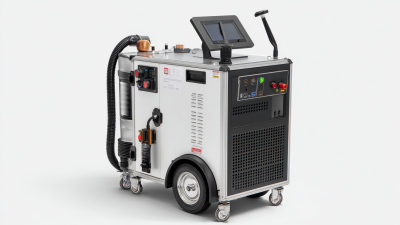
Key Factors to Identify Reliable Manufacturers for the Best 3000w Handheld Laser Cleaner
-
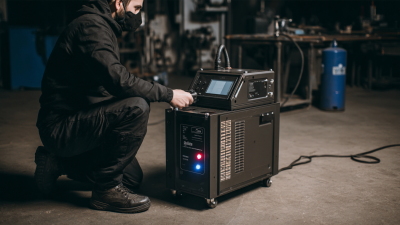
How to Effectively Use Portable 1000w Laser Cleaner for Industrial Applications
-
Unveiling the Best Moisture-Proof Laser Cleaner Machines A Comprehensive Comparison for Global Buyers
-

China's Quality Craftsmanship in Portable Pulse Laser Cleaners Gaining Global Recognition
-
Revolutionary Applications of the 200W Laser Cleaner for Wood Restoration and Maintenance
-
7 Best Reasons to Invest in a Rust Cleaning Laser Machine

Madeline


-

Phone
-

E-mail
-

Whatsapp
-

Wechat
Wechat

-

Top