
When it comes to precision manufacturing, the Mini Laser Cutting Machine has really become a game-changer. I was reading a report from Markets and Markets, and it predicts the global laser cutting market will hit around $6.5 billion by 2025 – pretty crazy, right? This growth is mainly thanks to ongoing improvements in laser tech and how efficient these machines are getting. James Taylor from LaserTech Solutions actually pointed out that the versatility of these mini machines means they can do some seriously custom work — it's a big deal in today’s fast-paced manufacturing world.
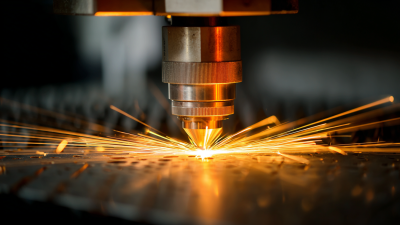
Basically, these machines work by focusing a laser beam that melts or vaporizes the material. From textiles to car parts, a lot of industries are taking advantage of the incredible detail this tech can achieve. Of course, there's a bit of a learning curve. They’re designed to be user-friendly, but to really master the complex stuff? That takes some practice and patience.
Honestly, the accuracy of these mini laser cutters is pretty impressive. But here’s the thing: getting the settings just right is super important. Even a small mistake can lead to waste or inefficiency, which is kind of frustrating. As more companies jump on board with this tech, they’re gonna need to pay attention to these details if they want to get the most out of it.

What is a Mini Laser Cutting Machine?

A mini laser cutting machine is a compact device that utilizes focused laser beams to cut or engrave materials. These machines are versatile and can work with materials such as wood, acrylic, and fabric. According to a recent industry report, the global laser cutting market is expected to grow significantly, reaching $7.4 billion by 2026. This demonstrates the increasing demand for efficient cutting solutions.
The operation of a mini laser cutting machine involves directing a powerful laser to melt or burn through material. Users can set precise parameters for cutting depth and speed. However, many beginners struggle to configure settings optimally. It's essential to practice and understand the nuances of each material to avoid mistakes. In terms of efficiency, mini machines can cut shapes with accuracy up to 0.01 mm. Nonetheless, this level of precision requires continuous adjustments and monitoring.
For hobbyists and small businesses, a mini laser cutter can be a game-changer. It allows for creativity and customization in projects. Yet, some users report a learning curve. Familiarizing oneself with software and hardware of the machine can be daunting. Investing time in training can make a significant difference in results. As the technology evolves, staying updated and adapting to new features is crucial for success.

Enhancing Precision in Jewelry Manufacturing: Insights from Recent Market Reports on Gold and Silver Laser Cutting Technologies
The jewelry manufacturing industry is rapidly evolving, particularly with advancements in gold and silver laser cutting technologies. Recent market reports indicate that precision in jewelry fabrication has significantly increased, with laser cutting allowing for intricate designs that were previously unattainable with traditional methods. This technology not only enhances the aesthetic appeal of jewelry but also minimizes material loss during production. Industry analysts estimate that utilizing laser cutting can reduce waste by up to 30%, translating to improved yield and profitability for manufacturers.
In line with this technological shift, the emphasis on efficient material recycling has become paramount. For instance, effective waste management solutions ensure that the loss of precious metals during the production process is kept within a targeted range of 2.5 to 4 grams per kilogram. This precision not only conserves valuable resources but also aligns with sustainable manufacturing practices that are increasingly demanded by eco-conscious consumers.
Moreover, the compact design of modern recycling systems—often akin to integrated cabinets—facilitates easy installation and adjustment for manufacturers. Once set up, these systems prove to be user-friendly, requiring merely fine-tuning for optimal performance. As the jewelry industry embraces these innovations, manufacturers can expect to see a notable enhancement in both productivity and environmental responsibility, ultimately leading to a more sustainable and profitable future in jewelry design and production.

FAQS
: Regular exercise improves cardiovascular health and boosts energy levels. It can enhance mood and reduce anxiety.
Aim for at least 150 minutes of moderate exercise each week. Consistency is key to achieving your fitness goals.
Yes, home workouts can be very effective. Bodyweight exercises and online classes provide great options.
A balanced diet is important, but flexibility exists. Focus on whole foods and stay hydrated for best results.
Stop the activity immediately. Consult a healthcare professional to assess any injuries. Listen to your body carefully.
It's better to start slowly. Gradually increase workout intensity to prevent injury and build stamina over time.
Conclusion
A Mini Laser Cutting Machine is a compact and efficient tool designed for precise cutting and engraving of various materials such as wood, acrylic, and fabric. It consists of key components like a laser source, a control system, and a cutting bed, enabling intricate designs and high-quality outputs. These machines operate by directing a high-powered laser beam to melt or vaporize the material, allowing for detailed and accurate results.
The applications of Mini Laser Cutting Machines are vast, ranging from craft projects to industrial manufacturing. They offer several advantages, including portability, ease of use, and lower operational costs compared to larger units. Regular maintenance is essential to ensure optimal performance and longevity. When choosing a Mini Laser Cutting Machine, it's important to consider factors such as size, power, and the specific needs of the user to select the most suitable option for their projects.
Related Posts
-

Unlock Your Creativity with a Mini Laser Cutting Machine for Impressive DIY Projects
-

2025 Top Mini Laser Cutting Machine: Unleashing Precision in Crafting
-
Ultimate Guide to Choosing the Best Fiber Laser Welding Machine for Jewelry
-

2026 How to Use a Laser Rust Removal Machine Effectively?
-

2026 Top Laser Cutter Machine Reviews and Buying Guide
-

5 Effective Rust Removalaser Strategies to Enhance Your Industrial Efficiency

Ethan


-

Phone
-

E-mail
-

Whatsapp
-

Wechat
Wechat

-

Top