
As industries increasingly turn to advanced laser technologies for precision cleaning and material processing, the performance of the Laser Cleaning Head Rack plays a critical role in achieving optimal results. According to a report by Markets and Markets, the global laser cleaning market is projected to reach $1.29 billion by 2025, driven by the demand for environmentally friendly and efficient cleaning solutions. This growth underscores the importance of investing in high-quality equipment and optimizing performance to stay competitive. At Maven Laser Automation Co., Ltd., a leading manufacturer of laser systems and professional automation solutions since 2008, we understand the significance of enhancing the functionality of your Laser Cleaning Head Rack. This blog will provide you with five essential tips to ensure your laser cleaning systems operate at their peak efficiency, thereby maximizing productivity and maintaining the integrity of your processes.

Maximizing Laser Efficiency: Understanding Optimal Cleaning Head Alignment
Achieving optimal laser efficiency is paramount for businesses relying on laser cleaning technology. Proper alignment of the cleaning head can dramatically enhance cleaning performance while minimizing energy consumption. According to a recent industry report, effective laser cleaning systems can reduce operational costs by up to 30% when equipment is calibrated correctly. Maven Laser Automation Co., Ltd., a leader in the laser systems arena, emphasizes the importance of precision engineering in their products, which are designed to ensure peak performance and efficiency from installation through to daily use.
Tip 1: Regularly check and adjust the angle of the laser cleaning head. A misaligned head can lead to uneven cleaning surfaces and potential damage to the substrate, resulting in costly rework.
Tip 2: Ensure that the focus of the laser beam is optimized. An incorrectly focused beam can waste energy and reduce cleaning effectiveness. Consult the specifications provided by Maven Laser for the ideal focal length for your specific cleaning applications.
By prioritizing the alignment and focusing of your laser cleaning head, you can not only enhance efficiency but also extend the lifespan of your equipment, maximizing your investment in technology.


FAQS
: Proper alignment of the cleaning head can enhance cleaning performance and minimize energy consumption, potentially reducing operational costs by up to 30% when calibrated correctly.
Regularly check and adjust the angle of the laser cleaning head and ensure that the focus of the laser beam is optimized according to the specifications provided by Maven Laser for your specific applications.
A well-optimized laser beam enhances cleaning precision and speed, with higher beam quality lasers achieving up to a 30% improvement in cleaning speed.
Regularly inspect optical components for damage or contamination and utilize advanced optics to refine the beam profile, which enhances cleaning accuracy.
Different materials respond uniquely to varying wavelengths, so selecting a wavelength close to the absorption peak of the contaminant can significantly improve cleaning precision, with a potential efficiency increase of up to 50%.
The optimal power output varies significantly by surface type; metal surfaces usually require 100 to 200 watts, while delicate surfaces like plastics may need only 30 to 50 watts to prevent damage.
Different contaminants require different power settings; for instance, heavier contaminants such as paint or oil residues may need up to 300 watts, while lighter ones like dust can be removed with less than 100 watts.
Regularly calibrating and adjusting the laser cleaning head based on the specific materials and contaminants being cleaned will enhance efficiency and prolong equipment lifespan.
Conclusion
In today's competitive landscape, optimizing the performance of your Laser Cleaning Head Rack is essential for achieving maximum efficiency and precision in laser cleaning applications. This blog outlines five critical tips to enhance your cleaning processes. First, understanding the importance of optimal cleaning head alignment can significantly increase laser efficiency. Additionally, maintaining high beam quality is crucial for improving both cleaning precision and speed.
Moreover, the cooling systems play a pivotal role in extending the longevity and performance of the Laser Cleaning Head Rack. It’s also vital to calculate ideal power settings tailored to various material surfaces and contaminants. Lastly, establishing effective maintenance routines can ensure the service life of your cleaning head is prolonged, making your operations more reliable and cost-effective. With Maven Laser Automation Co., Ltd.'s commitment to quality, these tips will help you maximize your laser system's potential.
Related Posts
-

Discover the Finest Laser Cleaner: Premium Quality from China's Leading Manufacturing Factory
-

China's Quality Craftsmanship in Portable Pulse Laser Cleaners Gaining Global Recognition
-
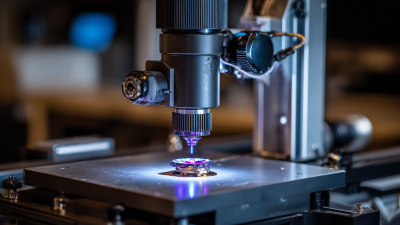
Unveiling the Best Moisture-Proof Laser Cleaner Machines A Comprehensive Comparison for Global Buyers
-
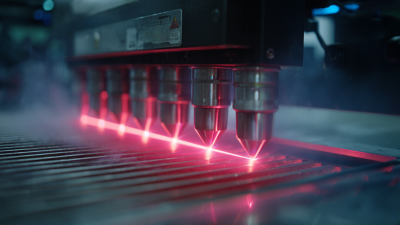
A Comprehensive Comparison of 500W Pulsed Laser Cleaner: Performance, Efficiency, and Cost
-
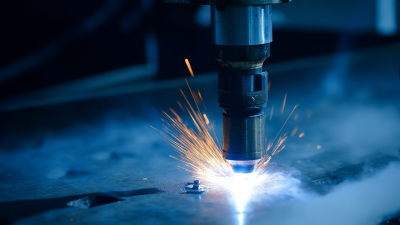
What is the Role of Laser Welder Cleaner in Efficient Rust Removal and Welding
-
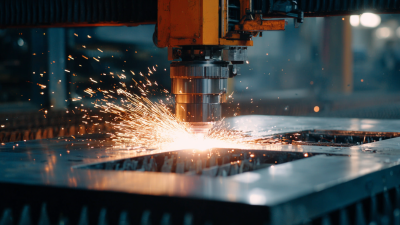
Mastering Laser Welder Cutter Cleaner Techniques for Optimal Performance and Efficiency in Your Workshop

Olivia


-

Phone
-

E-mail
-

Whatsapp
-

Wechat
Wechat

-

Top