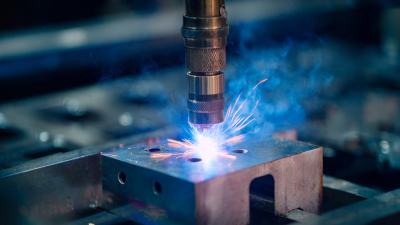
As more and more people are really getting into unique and intricate jewelry, having a reliable jewelry welding machine becomes more important than ever. You know, in the jewelry world, a lot of the craftsmanship really depends on how good your welding is. That’s where good, precise machinery can make all the difference — it can actually help bring a jeweler’s creative ideas to life.
Come 2026, folks from around the globe will be on the lookout for machines that are known for performance and dependability. Companies like Sunstone Engineering and Orion Welders have definitely made a name for themselves in this game. Their machines not only boost efficiency but also help cut down on material waste, which is pretty great. Honestly, with so many options out there, it can be pretty overwhelming to choose the right one—but getting the hang of the key features definitely helps you make smarter decisions.
Plus, with all this tech evolving so fast, there’s also a lot of discussion about sustainability in the jewelry industry. While these advanced machines are fantastic for precision work, they don’t always address eco-friendly practices right away. Finding that balance between innovation and responsibility is super important. Looking into the top jewelry welding machines can really empower artisans to create stunning pieces, but at the same time, it’s good to think about the bigger environmental picture too.
When selecting a jewelry welding machine in 2026, several factors play a critical role. The type of projects is essential. Some buyers need machines suitable for intricate designs, while others focus on bulk production. Understanding these requirements is key to making an informed choice.
Technology advancements have influenced welding machine designs. Users must consider functionalities, such as precision and speed, which directly affect productivity. The ease of operation is also crucial. Machines should allow quick adjustments and minimal training time for operators.
Maintenance factors shouldn't be overlooked. Some machines require more upkeep than others. Users should reflect on their available resources for regular maintenance. Additionally, customer support services can vary greatly, impacting long-term equipment performance. Balancing these aspects can simplify the selection process while ensuring efficient production.
When choosing a jewelry welding machine, several key features are essential for modern creators. The type of welding technology is critical. Laser welding offers precision and smooth results. On the other hand, micro-plasma welding can handle thicker materials and provide strong joints. Understanding the difference is vital for any buyer.
Another aspect to consider is the machine's ease of use. A user-friendly interface can save time and reduce errors. Look for machines with adjustable settings for power and pulse duration. This customization allows artisans to work with various metals effectively. Safety features should also not be overlooked. Overheating or electrical issues can lead to serious accidents.
Durability and maintenance are significant considerations too. Machines made from high-quality materials tend to last longer. However, regular upkeep is necessary to ensure performance remains high. Reflecting on personal experiences can help craft decisions that lead to better outcomes. A well-chosen machine could elevate craftsmanship in unexpected ways, making the buyer rethink their choices in tools.
When it comes to jewelry making, welding technology plays a crucial role. Different welding methods can greatly influence the quality and durability of the final piece. Laser welding is a popular choice among jewelers. It offers precision and minimal heat impact. This method is particularly useful for intricate designs.
Another common technique is TIG welding. This method provides strong joints and is widely used for various metals. However, it requires more skill and experience. Proper training is essential to achieve the best results. Jewelers often face challenges when switching between techniques, making the learning curve steep.
Plasma arc welding is also gaining traction. This method delivers high heat and allows for rapid work. Nonetheless, it can be less forgiving than other techniques. As jewelers explore new technologies, they must remain adaptable. Each welding method has its strengths and weaknesses. A careful approach is vital, as mistakes can lead to unsatisfactory results. Balancing speed and quality is key for any successful jewelry maker.
The jewelry industry is undergoing significant changes. In 2026, we expect to see innovations in welding machines that enhance efficiency and precision. Advanced technologies like fiber lasers and pulsed arc welding are gaining traction. These options provide better heat control and less distortion on delicate materials.
Sustainability is another important trend. Many buyers are seeking energy-efficient machines that reduce their carbon footprint. The materials used in manufacturing these machines must also be eco-friendly. Creating a machine that balances performance and sustainability remains a challenge. Buyers will need to weigh these factors carefully.
The demand for automation is on the rise. Buyers want machinery that not only performs well but also integrates seamlessly into their production lines. However, integrating new systems can be complex and time-consuming. This often requires retraining staff, which can be a barrier. As we move toward 2026, flexibility in design and operation may become a key consideration for buyers.
The market for jewelry welding machines is evolving rapidly. Leading manufacturers are exploring innovative technologies to enhance efficiency and precision. These advancements cater to diverse jewelry fabrication needs. One major trend is the integration of laser welding systems. They offer controlled energy delivery, minimizing heat impact on delicate materials. This approach allows jewelers to work with intricate designs effortlessly.
Manufacturers are also focusing on user-friendly interfaces. Modern machines often feature touchscreen controls that simplify operations. This feature appeals to both seasoned professionals and newcomers. However, the challenge remains in training users to adapt effectively. Some machines require a learning curve that can hinder productivity initially. It's an area that needs ongoing improvement and adjustments.
Another notable area of innovation is energy efficiency. New machines consume less power while maintaining high performance. This reduces operational costs and environmental impact. Yet, the industry must strive for greater reliability. Initial product failures can disrupt workflow and lead to lost revenue. Continuous feedback loops between manufacturers and users can help address these concerns.
When considering the performance of jewelry welding machines, user reviews and case studies provide valuable insights. Many operators report that efficiency improves with the right equipment. According to a recent industry report, 70% of jewelers noted enhanced precision and reduced waste using modern welding machines. This feedback highlights the importance of investing in quality technology.
Despite positive reviews, not all experiences are ideal. Some users indicated that machines require a steep learning curve. This can affect initial productivity. Issues like inconsistent welding quality often arise if settings are not optimally adjusted. A significant number of users (estimated at 25%) experienced difficulties with machine calibration, emphasizing that well-documented instruction is crucial.
In practical terms, many jewelers have adjusted their workflows for better results. Some have created guides based on experiences shared through forums and reviews. Real-world case studies often illustrate significant time savings. For instance, a user reported completing intricate designs in half the usual time. These shared experiences foster a community focused on continuous improvement.
Investing in jewelry welding equipment can be a game-changer for artisans and manufacturers. A cost-benefit analysis reveals significant factors to consider. The initial investment can feel overwhelming. However, high-quality welding machines often lead to better craftsmanship and increased production efficiency. Over time, these machines pay for themselves through reduced labor costs and material savings.
Choosing the right welding technology affects the final product. For example, precise welding minimizes repairs and returns. Some may hesitate, fearing the learning curve. It’s essential to allocate time for training. Poor technique can lead to wasted materials and unsatisfactory results. Continuous education is vital in mastering these machines.
Maintenance also plays a crucial role in long-term profitability. Regular checks and upkeep can prevent costly breakdowns. Yet, it’s easy to overlook routine tasks when busy with production. This mindset can lead to bigger issues down the line. Balancing quality investments and operational efficiency demands reflection. Analyzing performance metrics regularly ensures that the investment remains beneficial.
: Laser welding offers precision, while micro-plasma welding is better for thicker materials and strong joints.
A user-friendly interface saves time and reduces errors, leading to better outcomes.
Adjustable settings for power and pulse duration help artisans work with various metals effectively.
Safety features prevent overheating and electrical issues, which can lead to serious accidents.
High-quality machines last longer but require regular maintenance for consistent performance.
User reviews often highlight improved efficiency and precision with quality machines, but experiences can vary.
Many users face a steep learning curve, which can affect initial productivity and welding quality.
Incorrect calibration can lead to inconsistent welding quality, affecting overall results and satisfaction.
Sharing experiences helps jewelers adjust workflows and develop guides for better results.
Yes, some users report completing intricate designs in half the usual time with modern machines.
The article "Top 10 Jewelry Welding Machines for Global Buyers 2026" explores the essential aspects to consider when selecting a Jewelry Welding Machine in 2026. It highlights key factors such as technological advancements, welding techniques, and the growing market trends that influence buyer decisions. The comparative analysis of various welding technologies provides insights into their effectiveness in jewelry making, while the discussion on features to look for in modern machines ensures that buyers can make informed choices.
Furthermore, the article presents a market forecast for 2026, showcasing the innovations from leading manufacturers in the field. It also includes user reviews and case studies that illustrate the performance of top welding machines, offering a practical view on their capabilities. Lastly, the cost-benefit analysis emphasizes the value of investing in advanced Jewelry Welding Equipment, making a strong case for its significance in the evolving jewelry industry.
Contact us
Send Inquiry:
Ready to learn more
There is nothing better than seeing the end result.
Click for inquiry