0%

Picking the right jewelry welding machine really matters for jewelers out there. I mean, as John Smith from JewelTech puts it, "The right machine just boosts both your precision and your creative flow." But let's be honest, choosing equipment can feel pretty overwhelming — the options seem endless, and the technical specs can be confusing as heck.

If you're new to this world, getting your head around the different types of machines is super important. There’s a bunch of welding tech out there, each designed for specific tasks, so not every machine is going to be perfect for every kind of jewelry you’re working on. Taking the time to pick carefully can seriously improve your craftsmanship and make your work process smoother.

That said, a lot of jewelers tend to go with what's trendy instead of really thinking about what they actually need. And honestly? That can end up with regret or even losing a bit of cash. Experts usually recommend trying out a machine before you buy it — hands-on testing really helps you see how well it performs and if it’s versatile enough for your projects. All in all, taking a moment to choose wisely will pay off, making sure you get a tool that’s truly valuable for your workshop. Bottom line: don’t rush the decision—be informed, and it’ll serve you well.

Top Tips for Choosing the Best Jewelry Welding Machine?

Understanding Jewelry Welding Machines and Their Importance

Jewelry welding machines play a crucial role in the crafting of fine jewelry. These machines bond materials together, ensuring durability and precision in each piece. Properly welding components enhances structural integrity, which is essential for longevity in jewelry design. The significance of these machines becomes clear when considering how they impact the final product's quality and aesthetic appeal.

When selecting a jewelry welding machine, one should consider various factors. The machine's power and settings can greatly affect the welding process. A powerful machine can handle thicker materials, while precise settings allow for delicate work. It's also essential to understand the types of welds each machine produces. Some may be better suited for specific materials than others.

Not all machines perform perfectly, and each has its limitations. A machine that works well for one artisan may not meet another's needs. It's crucial to reflect on what features are most important for your jewelry style. Balancing power, speed, and versatility is key. Researching reviews and seeking advice from experienced jewelers can provide valuable insights, helping to make a more informed decision.

Key Features to Consider in a Jewelry Welding Machine

When considering a jewelry welding machine, several key features will enhance your crafting experience. A reliable machine should offer precision and control. Look for adjustable settings that cater to different materials. This will help you manage delicate pieces without damage. Power output is another crucial aspect. A balance between high and low settings allows versatility in your work.

Tip: Focus on the machine’s ease of use. A user-friendly interface can make a significant difference. Avoid machines that have complicated controls. Simplicity often leads to better results. It’s vital to assess entry-level models as well. They can provide a good starting point, offering essential features without overwhelming complexity.

Additionally, think about maintenance requirements. Machines needing frequent servicing can hinder productivity. Regular upkeep can prevent unexpected downtime. Always check if user manuals are available. Documentation aids in troubleshooting and ongoing maintenance. The right machine should support both your immediate needs and future aspirations. Consider how it can grow with your skills.

Types of Jewelry Welding Machines Available in the Market

When considering a jewelry welding machine, it's crucial to understand the available types. The market offers several options, each with unique features tailored for specific needs. Laser welding machines dominate the industry, known for their precision and versatility. According to a recent industry report, around 45% of jewelers prefer laser welders due to their ability to create intricate designs with minimal heat distortion.

Another popular type is the micro TIG welder. This machine is favored for its portability and efficiency. Many artisans appreciate its ability to weld delicate pieces, ensuring finer details are maintained. Statistics show that micro TIG welding accounts for about 30% of the machines used in small workshops, highlighting its importance in the market.

Resistance welding machines are also in demand. These perform well with thicker metals, providing strength and durability. However, they may not be suitable for intricate work, leading some jewelers to reconsider their use. Despite the benefits, some users report inconsistencies in performance, which can affect production. Carefully evaluate the requirements and available models to find the right fit.

Evaluating the Welding Techniques: Laser vs. Resistance

Choosing the right welding technique is crucial for jewelry making. Two popular options are laser welding and resistance welding. Each has unique advantages and potential drawbacks.

Laser welding offers precision and minimal heat-affected zones. This technique allows for intricate designs and fine details. However, the equipment can be costly and requires skilled operators. On the other hand, resistance welding is more straightforward. It operates on electrical resistance, allowing faster joining of metal pieces. Yet, it may not achieve the same level of detail as laser welding.

When selecting a welding machine, consider your needs. Evaluate the types of projects you frequently undertake. Think about the metals you work with. High-quality machines provide reliable performance but consider your budget as well.

Tip: Research different welding techniques and assess their pros and cons. Trial and error can lead to better insights. Don't overlook user reviews and expert opinions. They can help clarify what you need to prioritize in your selection process.

Assessing the Machine's Size and Portability Needs

When selecting a jewelry welding machine, size and portability are crucial. A compact, lightweight design can enhance your workspace flexibility. Consider the dimensions of your workshop. If space is limited, opt for a smaller machine that fits your needs.

Large machines may offer more power, but they can restrict your movement.

Portability is equally important for those who attend trade shows or work on-site. A machine that is easy to transport allows for convenience. Some machines come with built-in handles or wheels. This can be a game-changer for your workflow. Assess how often you’ll need to move the equipment.

Sometimes, compact machines might not have the same power output. If your projects require extensive welding, this could be a drawback. Evaluate your priorities carefully. A lightweight machine might limit your capability, while a heavier option may satisfy your power needs but complicate portability. Balance is key in making the right choice for your jewelry-making process.

Budgeting for Your Jewelry Welding Machine Purchase

When budgeting for your jewelry welding machine, it’s essential to consider not only the initial purchase price but also ongoing costs. A high-quality welding machine can range from $1,000 to $10,000. Reports indicate that around 60% of jewelers find that investing more in equipment significantly boosts production efficiency and reduces repair costs over time.

Additionally, factor in costs for training and maintenance. While a cheaper machine may save money upfront, it could lead to higher long-term expenses in repairs or replacements. A study by the Jewelry Industry Council suggests that 75% of jewelers agree that investing in superior equipment enhances their craftsmanship and customer satisfaction.

Think about your specific needs. Your projects might require precision and reliability that only certain machines offer. While a basic model might get you started, reflect on the potential growth of your business. In the long run, an initial investment in quality equipment may lead to greater financial returns.

Top Tips for Choosing the Best Jewelry Welding Machine

Maintenance Tips for Ensuring Longevity of Your Welding Machine

Maintaining your jewelry welding machine is essential for its longevity. Regular cleaning is crucial. Dust and debris can affect performance. Use a soft brush and lint-free cloth to keep the machine dust-free. Ensure all parts are properly lubricated. This will reduce friction and wear, extending the machine's lifespan.

Check the connections frequently. Loose wires can lead to overheating. Inspect the power cord for any signs of wear. An updated machine manual can be a great resource. It often includes specific maintenance schedules. Pay attention to the manufacturer's recommendations. They understand their machines and can guide you effectively.

Don't overlook the importance of training. A well-trained operator can catch issues early. Consider workshops or online tutorials to enhance skills. Mistakes happen, and learning from them can prevent future problems. Reflecting on past experiences helps in creating a better maintenance routine. Always be proactive rather than reactive with your welding equipment.

Optimizing Jewelry Production: Insights from Market Data on Laser Spot Welding Machines for Enhanced Durability and Precision

Jewelry welding is a fundamental process in the jewelry manufacturing and restoration industry. It plays a crucial role in the permanent joining of components like metal ornaments and gemstone settings, utilizing high-temperature solder melting techniques. This ensures that the aesthetic qualities and structural integrity of the jewelry are preserved throughout the process. The precision required in jewelry welding makes the choice of machinery critical, as even slight deviations can affect the final product’s durability and appearance.

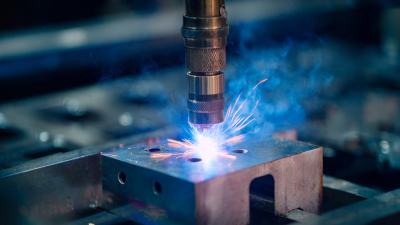
Recent market data highlights the increasing adoption of laser spot welding machines in jewelry production due to their enhanced precision and efficiency. Reports suggest that the use of laser welding technology can reduce the heat-affected zone significantly, minimizing the risk of damaging delicate gemstones and intricate designs. In fact, studies indicate that laser welding can improve joint strength by approximately 30% compared to traditional methods, making it a preferred choice for high-end jewelry manufacturing and repair.

Furthermore, the capability of laser spot welding machines to provide controlled weld depths and minimal distortion is particularly beneficial in custom processing and vintage jewelry refurbishment. As the jewelry market continues to diversify, the demand for advanced welding technologies that can cater to both aesthetic requirements and structural demands is likely to rise. Embracing these innovative solutions not only enhances product quality but also contributes to a more sustainable production approach in the jewelry industry.

FAQS

: What role do jewelry welding machines play?

: They bond materials, ensuring durability and precision in jewelry crafting.

How can power settings affect welding?

A powerful machine handles thicker materials; precise settings allow for delicate work.

What should I consider when choosing a welding machine?

Consider power, settings, types of welds, and materials you will use.

Can every machine perform perfectly?

No, each machine has limitations and may suit different artisans’ needs.

Why is ease of use important in a welding machine?

User-friendly machines lead to better results and less frustration during crafting.

What maintenance should I expect for welding machines?

Regular upkeep is necessary; checking user manuals helps with troubleshooting.

How do laser and resistance welding differ?

Laser welding provides precision; resistance welding is faster but less detailed.

Should I assess entry-level models for welding machines?

Yes, they offer essential features without overwhelming complexity, ideal for beginners.

Why research various welding techniques?

Understanding pros and cons can help you make informed decisions for your projects.

Are user reviews important when selecting a machine?

Absolutely, they offer insights on performance and can guide your selection process.

Conclusion

When selecting the best Jewelry Welding Machine, it is crucial to understand its significance in the jewelry-making process. These machines are essential for creating precise and durable connections in various metal types, making them invaluable tools for jewelers. Key features to consider include the type of welding technique—laser or resistance—each offering distinct advantages in terms of precision and ease of use.

Additionally, it's important to assess the machine's size and portability, as this can impact your workspace and workflow. Budget considerations should also be a priority, ensuring that you invest in a machine that meets your needs without overspending. Finally, regular maintenance is vital for the longevity of your Jewelry Welding Machine, helping to ensure consistent performance over time. Understanding these factors can lead to a more informed and satisfying purchasing decision.

Olivia

Olivia

Olivia is a dedicated marketing professional at Maven Laser Automation Co., Ltd., a premier manufacturer of laser systems and automation solutions based in Shenzhen, China. With a deep understanding of the laser technology landscape, she has been a key player in the company since its founding in......
Previous Why Choose a Laser Rust Removal Machine for Your Needs?