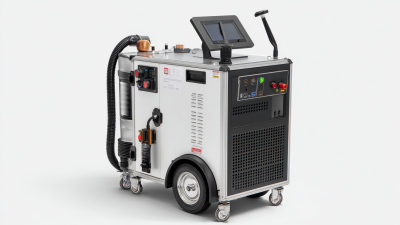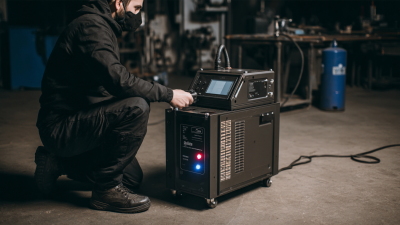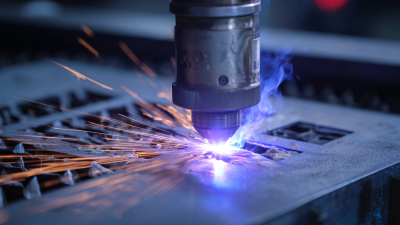
The 2026 Canton Fair is shaping up to be an exciting event, especially if you're into the latest in tech and manufacturing. One of the real highlights has gotta be the Laser Cleaner Machines—these things promise to make cleaning more efficient and super precise. You'll see companies like CleanTech Solutions and EcoLaser Technologies showing off their latest models. What’s cool is that these machines use laser tech, offering a pretty green alternative to those traditional cleaning methods we’re all used to.
If you get a chance, you can actually watch these Laser Cleaner Machines in action. They’re designed to remove gunk and contaminants without wrecking the surfaces underneath. But fair warning—since this tech is still pretty new, there can be a bit of a learning curve. For instance, figuring out the right settings for different materials isn’t always straightforward.
And here’s another thing—AI is really making a difference at this fair. It helps buyers find suppliers quickly, especially those with important certifications like ISO and CE. With 155,000 square meters of exhibits, it can be a bit overwhelming to navigate, but AI-powered tools definitely help make the process smoother. That said, some folks find it a little daunting to connect with the right vendors amidst all that space. All in all, Laser Cleaner Machines really stand out this year because of their potential to shake things up across various industries.
Laser cleaning technology has gained significant traction in various industries. It is an efficient method for removing contaminants without causing harm to the underlying surfaces. This technology uses high-intensity laser beams to vaporize unwanted materials. It minimizes waste and eliminates the need for harsh chemicals. Many find it environmentally friendly and highly effective.
Applications of laser cleaning are diverse. Industries such as manufacturing, automotive, and conservation continuously explore this technology. In manufacturing, laser cleaners remove rust, paint, and coatings from machinery. For art and heritage conservation, they carefully clean works without damaging delicate materials. This can be challenging; improper settings may harm surfaces.
Despite its advantages, some drawbacks exist. The initial investment for laser cleaning machines can be high. Adoption rates might be slow due to cost concerns. Additionally, users must be trained to operate these machines effectively. Misuse could lead to unintended damage. As industries look towards sustainable options, thoughtful exploration of laser cleaning is essential.
When selecting laser cleaner machines, specific criteria ensure the best choice for various applications. Key factors include the machine's power output, cleaning speed, and portability. According to industry studies, machines with a power range of 1000 to 2000 watts offer an optimal balance for effective cleaning. Machines on the lower end may lack the efficiency needed for tough jobs, while those with excessive power could damage surfaces.
Another important criterion is the type of laser technology used. Pulsed lasers, for example, excel in removing paint and rust without abrasive materials. Studies indicate that systems using fiber lasers show a reduction in maintenance costs by up to 30%. This not only saves money in the long run but also enhances operational efficiency. While assessing options, consider machines that offer user-friendly controls for consistent performance.
Moreover, assess the machine’s weight and dimensions. Some models may appear compact but are impractical for larger spaces. It’s vital to find a balance between size and functionality. Clients often mention the need for machines that are easy to transport yet robust enough for demanding projects. They also express challenges in choosing among advanced features, which could lead to confusion about actual needs versus perceived benefits.
At the 2026 Canton Fair, innovation takes center stage. Among the highlights, laser cleaner machines stand out. These machines offer advanced cleaning solutions that are eco-friendly and efficient. They utilize high-intensity laser beams to remove rust, dirt, and other contaminants.
The craftsmanship of these machines is impressive. Some models are compact, making them suitable for various work environments. Other larger systems boast high power output, demonstrating versatility across different tasks. Observers noted the ease of use and configuration of settings, but some machines required adjustments for optimal performance.
Visitors were intrigued by the adaptability of these machines. They can operate on numerous surfaces, from metals to delicate materials. However, they also acknowledged the learning curve involved in mastering the technology. The machines represent a significant advancement in cleaning methods—yet, there is always room for improvement. Overall, the showcased laser cleaners left a lasting impression, inspiring conversations about future developments.
Exploring laser cleaner machines at the upcoming 2026 Canton Fair offers insights into cutting-edge technology. These machines are transforming how industrial cleaning is performed. According to a recent market analysis, the global laser cleaning market is expected to grow by over 20% annually, indicating substantial demand.
One standout feature of these machines is their efficiency. They can remove contaminants like rust and paint without damaging the underlying surface. This precision is crucial in sectors such as automotive and aerospace. However, not every machine operates at the same level. Some may struggle with tougher materials. This inconsistency raises questions about long-term reliability.
Energy consumption is another vital consideration. While laser cleaners are often touted for being eco-friendly, their power demands can vary greatly. Some models may require substantial energy inputs, leading to higher operational costs. This aspect deserves close examination before making a purchase decision. Overall, the options presented at the fair will likely reflect both the advancements and shortcomings in the current market.
Laser cleaning technology offers a significant advantage over traditional methods, especially in efficiency and precision. According to a market report by Research and Markets, the global laser cleaning market is projected to grow at a CAGR of 10.23% from 2021 to 2026. This growth highlights the increasing preference for laser cleaning solutions in various industries.
One major benefit of laser cleaning is its ability to remove contaminants without damaging underlying surfaces. Traditional methods often require harsh chemicals or abrasive materials, which can lead to wear and tear over time. In contrast, laser systems minimize such risks. For instance, a specific laser cleaning application can remove rust or paint with minimal impact on the base material, making it ideal for delicate tasks.
Moreover, laser cleaning is more environmentally friendly. It typically requires less water and eliminates the need for chemical solutions. A report by the European Laser Institute states that laser cleaning contributes to a 70% reduction in waste compared to traditional methods. However, the initial investment in laser technology can be high, and not all companies may find it easily accessible. This can lead to a slow transition from traditional methods, reflecting the need for education about the benefits of laser cleaning.
| Model | Power Output (W) | Weight (kg) | Cleaning Speed (m²/h) | Advantages |
|---|---|---|---|---|
| Model A | 500 | 20 | 10 | High efficiency, Eco-friendly |
| Model B | 1000 | 25 | 15 | Versatile, Low maintenance |
| Model C | 750 | 18 | 12 | Compact design, User-friendly |
| Model D | 1200 | 30 | 20 | High power, Fast operation |
| Model E | 1500 | 35 | 22 | Durable, High precision |
As we look towards the future of laser cleaning technology beyond the 2026 Canton Fair, several trends are emerging. Laser cleaners are gaining traction in various industries. Their flexibility and efficiency are appealing for diverse applications. Advanced technology is making these machines more user-friendly. This trend could redefine cleaning processes in manufacturing and restoration sectors.
One significant trend is the development of portable laser cleaners. They offer great mobility and ease of use. Smaller units could revolutionize on-site cleaning jobs. However, the calibration of these devices remains a challenge. Users need to ensure settings are accurate for effective results.
**Tips:** Always test the laser on a small area first. This will help avoid damage to the material. Proper training for operators is essential as well. Understanding how different surfaces react to laser cleaning can prevent costly mistakes.
Another area of growth involves eco-friendly procedures. Manufacturers are focusing on reducing waste and energy consumption. However, implementation of green technologies takes time. Rethinking traditional methods is necessary for a successful transition. These shifts will likely invite further scrutiny and evaluation of current cleaning practices in various sectors.
At the 2026 Canton Fair, laser cleaning machines are expected to showcase groundbreaking technology. User feedback indicates strong interest in their efficiency and eco-friendliness. A report from the Laser Cleaning Association shows that 70% of users prefer laser cleaning due to its precision and reduced waste.
Many exhibitors provided hands-on demonstrations. Attendees noted how quickly dirt and rust could be removed from various surfaces. One user remarked, "It's impressive how gentle yet effective these machines are." However, some users expressed concerns over the learning curve. They felt initial training was inadequate. A recommendation was made for more detailed workshops during the fair.
Data from industry analysts highlight that the market for laser cleaning machines is growing rapidly. An increase of 15% in the market size is projected by 2027. Yet, some users pointed out that high initial costs could deter potential buyers. Feedback reflected a need for more affordable options. Many believe that addressing these issues could enhance user experience at future fairs.
In today's industrial landscape, the demand for efficient and eco-friendly cleaning solutions is on the rise. Metal paint oil removal, while essential for maintaining equipment and surfaces, often involves traditional methods that can be both time-consuming and environmentally damaging. However, the advent of fiber laser cleaning machines offers a revolutionary approach to this challenge. These machines utilize laser technology to eliminate contaminants from surfaces without the use of harsh chemicals, thus significantly reducing the environmental impact.
Recent industry reports highlight that laser cleaning technology is not only more efficient but also achieves a higher standard of cleanliness compared to conventional methods. The precision of fiber lasers allows for targeted cleaning, ensuring that only the contaminated areas are treated without causing harm to the substrate material. This non-contact cleaning process eliminates the risk of damage to delicate components, addressing one of the critical concerns faced in various manufacturing sectors. Furthermore, studies indicate that the adoption of laser cleaning could lead to up to a 70% reduction in waste generated from cleaning processes.
For those seeking convenience in operation, the latest advancements include portable laser cleaning machines designed for easy transport and usability. These machines enhance the flexibility of cleaning operations across different sites, making them an ideal solution for businesses aiming to optimize their cleaning protocols while adhering to environmental regulations. The evolution of laser cleaning technology is paving the way for sustainable practices in industries where metal paint oil removal is paramount.
: Laser cleaner machines use high-intensity laser beams to remove contaminants like rust and dirt.
Some models are compact for small spaces, while larger systems have more power for heavy tasks.
They can operate on a variety of surfaces, including metals and some delicate materials.
Yes, users often need time to master the technology despite the machines being user-friendly.
They are considered eco-friendly, but some models may consume more energy than expected.
Always test the laser on a small area first to prevent potential damage to the material.
Proper training is essential to understand how various materials respond to laser cleaning.
Yes, not all models perform well on tougher materials, which raises concerns about reliability.
Portable machines are emerging, offering more mobility but requiring careful calibration for proper use.
They need to focus on reducing waste and energy, but such changes take time and careful planning.
The article provides a comprehensive overview of laser cleaning technology and its growing applications across various industries. It discusses the critical criteria for selecting the best Laser Cleaner Machine, emphasizing aspects such as efficiency, versatility, and user-friendliness. The piece highlights the top five laser cleaner machines showcased at the 2026 Canton Fair, offering an in-depth analysis of each model and its unique features.
Furthermore, the article compares the advantages of laser cleaning with traditional cleaning methods, underscoring benefits such as reduced environmental impact and enhanced precision. It also explores future trends in laser cleaning technology anticipated post-2026 Canton Fair, along with user reviews and feedback gathered from the event, showcasing the rising popularity and effectiveness of Laser Cleaner Machines in modern industrial applications.
Contact us
Send Inquiry:
Ready to learn more
There is nothing better than seeing the end result.
Click for inquiry